
When winning meets branding: NIL, social media, and the strain on student-athletes
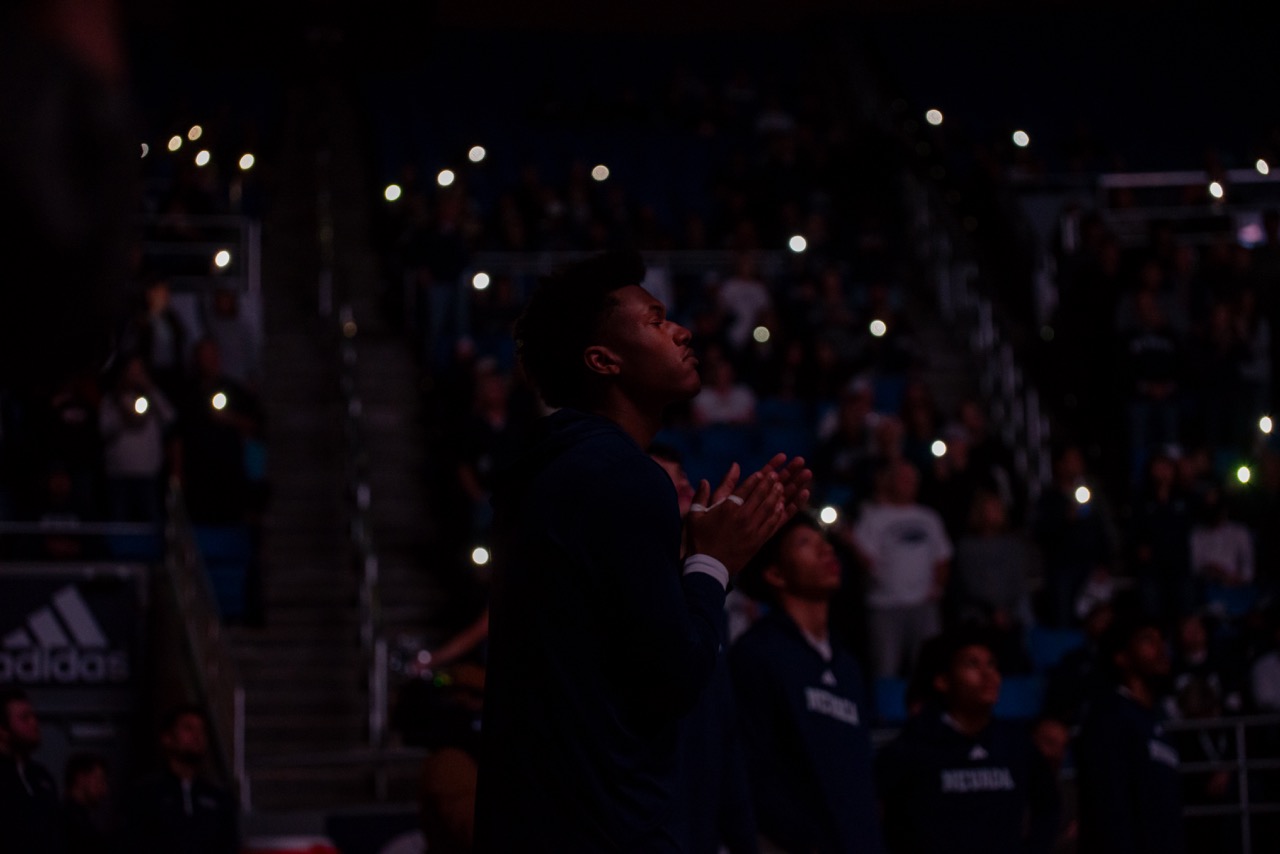
After a tough loss, the locker room is quiet except for the glow of screens. Phones light up with notifications – some praise, much of it not. A missed free throw becomes a meme. A defender hears from strangers who gambled the spread. In the constant stream of comments and DMs, performance bleeds into identity. By morning, the team is in the weight room; by afternoon, study hall; by evening, practice. Somewhere in the margins, the person underneath the jersey tries to breathe.
That collision between a culture that still valorizes toughness and a new economy of attention, money and constant visibility is where college athletes live now. At the University of Nevada, three voices who see that pressure from different angles describe the same arc: the sport is still the sport, but the context has changed. The job isn’t only to keep bodies healthy or GPAs afloat. It’s to reckon with a system that can turn an 18-year-old into a brand, a target, and if they’re lucky a breadwinner, all at once.
“What I do” vs. “Who I am”
“This is what I do turns into who I am,” says Stephen Nicholas, who leads the mental-health clinical department for Nevada Athletics. He was recruited three years ago to build a department-wide approach, not just a counseling door for students in crisis. “Historically, Division I is a hyper-masculine culture where we do not feel the stressors that are perceived as weakness. Our opportunity now is to tend to the whole human instead of just the athlete who is performing.”
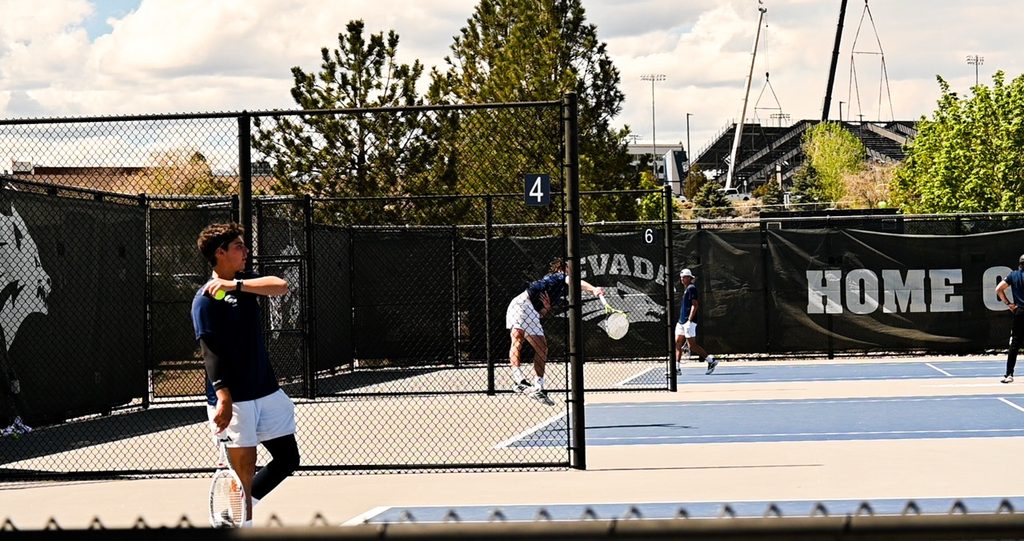
Youssef Kadiri, a former men’s tennis player, originally from Morocco, feels the squeeze of that identity narrowness even more sharply as an international student. He grew up training independently with no school teams, just international tournaments, boarding academies and a pathway built on being “the tennis one” in every room. After nearly 15 years in a sport where “it’s totally on you,” Kadiri says the line between the athlete self and the human self can feel thin. When he transferred from the University of Oregon because “the environment wasn’t right,” he realized how much identity depends on belonging as much as performance. At Nevada, a French-speaking coach and several French teammates made the transition easier.
Nicholas is direct that winning and human well-being aren’t competing goals, they are connected. “We’re here to win titles,” he says, “but we’re here to win them without losing ourselves in the process.” The model he’s building is proactive rather than purely reactive. Nicholas notes that nationally, mandated NCAA mental-health programs often mirror a medical “repair” model – one that is crucial when someone is hurt, but insufficient as a health strategy. “Let’s be competitive at making healthy people,” he says, “versus just making them less sick.”
The identity squeeze and the schedule that owns you
Kim Gross, the associate athletics director of student athlete services, starts with saying what is still the same. Gross said that identity has always been the quiet center of competing in college athletics. “You grow up with this goal. Then you get here and you’re not the best anymore,” she says. “There’s a huge identity piece to that.” Added to that is a schedule that can make life feel pre-programmed – loved by some, but for others a slow erosion of control. “Sometimes you feel this lack of control over your own life: everyone tells me where to go, and I wander around.”
Kadiri describes his schedule almost as a second opponent. He is studying international business with minors in marketing and sports management. “You wake up early and go to sleep late,” he says. “Traveling every week, homework, practice – you need to find a balance.” He budgets two to three hours for academics daily, three hours for himself, and the rest for tennis or training. Even then, focus slips; he catches himself scrolling during homework because fatigue wins out. “Time management is everything,” he says. “It looks easy in movies. But the reality is different. You still have to think about your future every day”.
Gross’ unit uses academics as a vehicle to talk about the person. The conversations often travel far beyond athletics, sometimes discussing family stress or a breakup. “I’ll let you talk about your sport,” she says, “but I’m exuding care about who you are outside of the identity of being an athlete.” When a student needs more, staff make referrals to in-house clinicians or campus providers, always ensuring that confidentiality is at the core of these situations. Several advisors are trained in basic mental-health response, not to be therapists, but to de-escalate and connect students to the right help.
Name, Image, Likeness turns up the volume
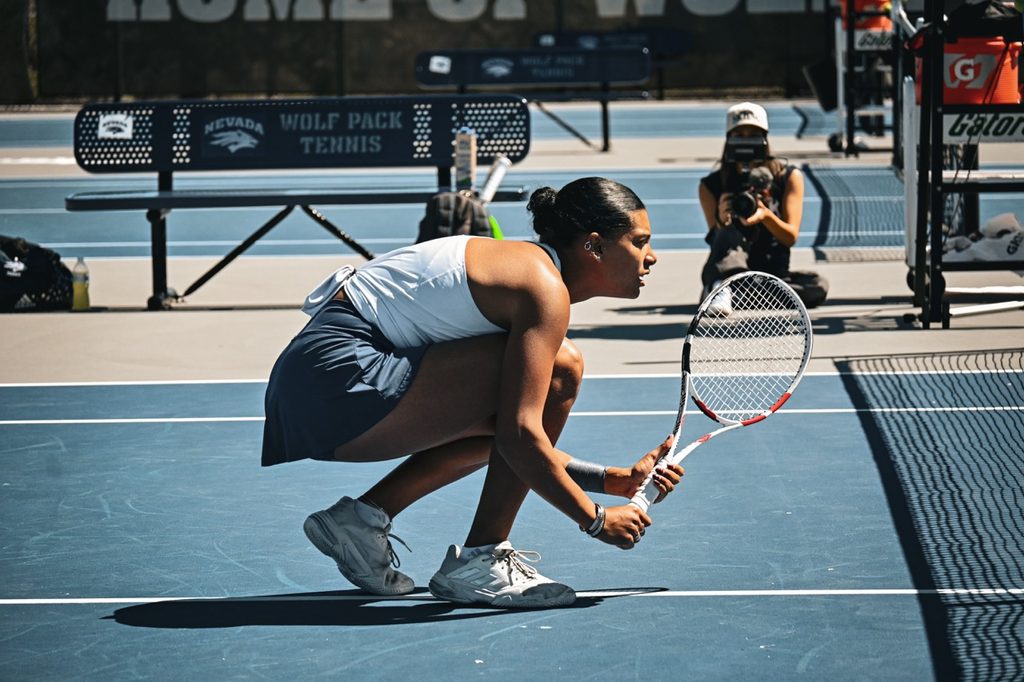
All three see Name, Image, and Likeness (NIL) as an amplifier of opportunity, of pressure and of noise. In college athletics, NIL refers to the right of student-athletes to profit from their personal brand through endorsements, social media, appearances and merchandise.
From the academic side, NIL competes with time and priorities. “If an opportunity comes where you can make money versus going to a tutor session, the ones making a good amount are probably going to do the NIL thing,” Gross said.
Nicholas frames it simply: when you’re paid to perform, “you are now being incentivized to deliver. That’s a lot of weight on anybody, especially a young adult.”
Gross describes a spectrum from small local promos (“post for a free meal and a hundred bucks”) to a few who make “well over any amount of money I will probably ever see in a salary.” According to the 2024 Opendorse annual report, the top 25 earners at any given position in the sport of football can expect to earn $294,134 annually. A Bloomberg report noted that a quarterback at a top-ranked college can expect about $800,000 in NIL, and on average, a men’s basketball player at a top-25 school can expect to make about $350,000 per season from NIL. And then there are the NIL moments that feel exactly right: a track athlete emails a hair-care company she already loves; they send a product and she shares it with teammates who have similar hair to hers. “That’s the essence of what NIL is supposed to be,” Gross says.
Justin Whitehouse, the head athletic trainer and an alumnus who returned after two decades in pro baseball, connects NIL with the open transfer portal and a mindset shift: “Athletes are now expected to make decisions and operate as if they were professional athletes but with an 18- or 19-year-old set of priorities and maturity.” Money becomes part of the calculations, sometimes overshadowing fit, development or team culture. For coaches and medical staff, that means monitoring not only hamstrings and hydration, but also the emotional whiplash of a marketplace.
Social media, gambling, and the public square in your pocket
In today’s college sports landscape, performance isn’t measured only on the field. It’s tracked, dissected and broadcast in real time. For student-athletes, the scoreboard extends to their phones. Every highlight, every miss and every postgame expression becomes part of an endless feedback loop. If NIL turns up the stakes, social media keeps the lights on. All day. Everywhere.
“Holy cow, social media has changed what an 18-year-old is going through,” Gross said. She’s watched athletes field death threats in their DMs after a loss and gamblers blaming them for a missed cover. “You can say ‘just block it out,’ but for this generation, turning it off doesn’t feel like an option.”
For athletes in individualized sports like tennis, NIL intersects with global betting markets. Even before college, Kadiri experienced gamblers messaging him after international tournaments: “If they lose money, they just text you and insult you.” Now he avoids parts of social media entirely. “I don’t care, it’s their money,” he says. But the comments still arrive with the precision Nicholas and Gross describe. These messages are reminders that the monetization of sports doesn’t wait for athletes to become professional.
The NCAA launched an initiative to address harassment, including engaging Signify Group and its Threat Matrix artificial intelligence. This service supports the association in studying and responding to online abuse and threats directed at NCAA championship participants. For the 2023-24 season, they found that 90% of harassment is generated online or through social media. During this time Signify Group also found that one in three high-profile athletes receive abusive messages from someone with a betting interest.
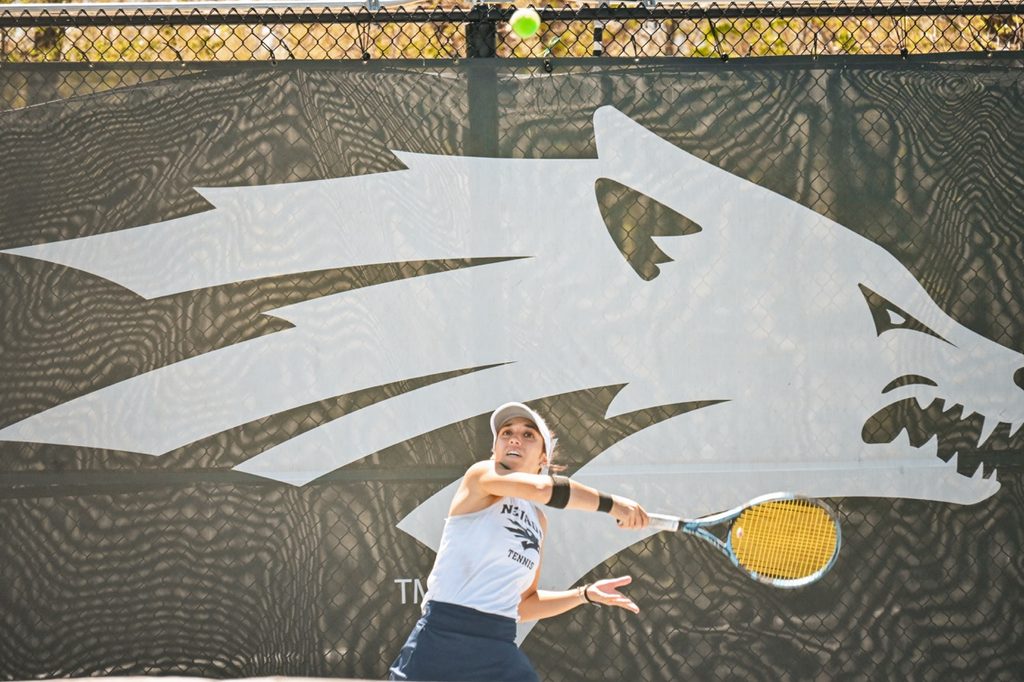
Whitehouse says the culture is shifting — adaptation is imperfect, but it’s happening. Ten years ago, a viral mistake could last for a week. Now he hears more of, “Don’t read the comments; prove them wrong next game.” Still, he adds, the attention economy cuts both ways: the same pipeline that can boost a personal brand also delivers defeat with precision. And when a student is already balancing pain, fatigue and the next exam, a single message can tilt the day.
The COVID aftershock and the everyday triage
Whitehouse points to the pandemic as a clear turning point. When routines collapsed, “mental-health challenges that may have previously been overlooked even by the individual bubbled to the surface.” Five years on, he says, the lessons stuck: athletes feel better when mental health is woven into training, not set aside from it.
In 2021 the National Collegiate Athletics Association (NCAA) conducted a study for student athletes to get more information about their mental health. Results from the study said “In most instances, the rates of reported mental health concerns experienced within the last month were 1.5 to 2 times higher than have been historically reported by NCAA student-athletes prior to 2020”.
On the ground, much of the early detection still starts with coaches and athletic trainers. They are the people who see an athlete every day at practice and in the training room. Nevada uses a flowchart to route concerns based on urgency, screens for mental-health risk during physicals, and factors diagnoses into concussion management, where anxiety or depression can prolong recovery. The staff also relies on teammates, roommates and family to raise flags. The quiet ones, the athletes who never come in, worry Whitehouse the most.
Nicholas wants the culture to work upstream: what if the default conversations on teams were about being “healthy, full humans who are here to do special things,” not only fixing problems when someone is buckling? Both Whitehouse and Gross independently pitch more consistent, structured programming: Call them leadership workshops if you must, but really sessions on mindfulness, resilience, relationship boundaries and financial literacy. Gross adds a plea to name and teach “relational manipulation” early; some of the top earners from NIL face adult financial pressures inside still-developing brains and complicated family dynamics.
The road out
The goal isn’t to dim the lights. It’s to make sure the people standing under them can stand tall. “Let me not mince words,” Nicholas says. “We are here to win.” The point, across the board, is that winning travels farther when the person is intact. That means keeping the door open to counseling and making it normal to walk through it. It means advisors who ask about siblings, eating and sleep, then steer toward care. It means trainers who treat sprains and scan for sadness. It means coaches who can hear “I’m not OK” and know what to do next.
Mostly, it means rewiring the message athletes absorb from the moment their phones light up after a game: you are more than your last box score. The medal isn’t the only measure.
In that locker room the screens eventually dim. A teammate nudges a teammate, a trainer cracks a joke, a coach debriefs and moves on. Tomorrow, there’s lift at 7 a.m., class at 10 a.m., practice at 3 p.m. Somewhere between the reps is a different kind of work – building a self that can hold both the field and the world. And that, everyone agrees, is how you actually win.