
Athletes are expected to be the poster child of physical strength, appearance and performance. Collegiate athletes balance much more than that.
With increased awareness of mental health, athletic departments are starting to emphasize resources for students.
College athletics can often look like “the dream”: Tuition is paid in full, housing and food are provided, and athletes have the hopes of continuing to play the sport they love.
In reality, there are many pressures that come with the responsibility of being a student-athlete, especially on the collegiate level. While many people may be unaware of these anxieties, the increased awareness of mental health has brought more light and resources to these issues.
About 48% of Americans participate in athletics in high school, and only about 7% of those athletes go on to play at the collegiate level. Out of those 7% of collegiate-level athletes, 51.7% struggle with mental health at some point in their lives.
While mental health awareness is important throughout the entire year, Suicide Prevention Month during September serves as an opportunity for our community to reflect on how mental health, negative or positive, is highlighted in our community.
The most common issues facing athletes are feelings of being overwhelmed by their schedules and feeling overall mentally exhausted. In a study done by the NCAA in 2023, they collected data about student-athlete mental health and wellness.
In this study, they found that 44% of female athletes and 17% of male athletes during this time period felt overwhelmed by all they were expected to do. Similarly, 35% of female athletes and 16% of male athletes felt mentally exhausted a majority of the time.
Another factor that the NCAA study highlighted was student-athletes’ academic worries and plans for the future. 45% of female athletes and 30% of male athletes found that their academic worries most affected their mental health. 40% of female athletes and 25% of male athletes worried about planning for their futures.
Many college athletes feel the pressure of what comes next in their lives, whether that be continuing in professional athletics or another career.
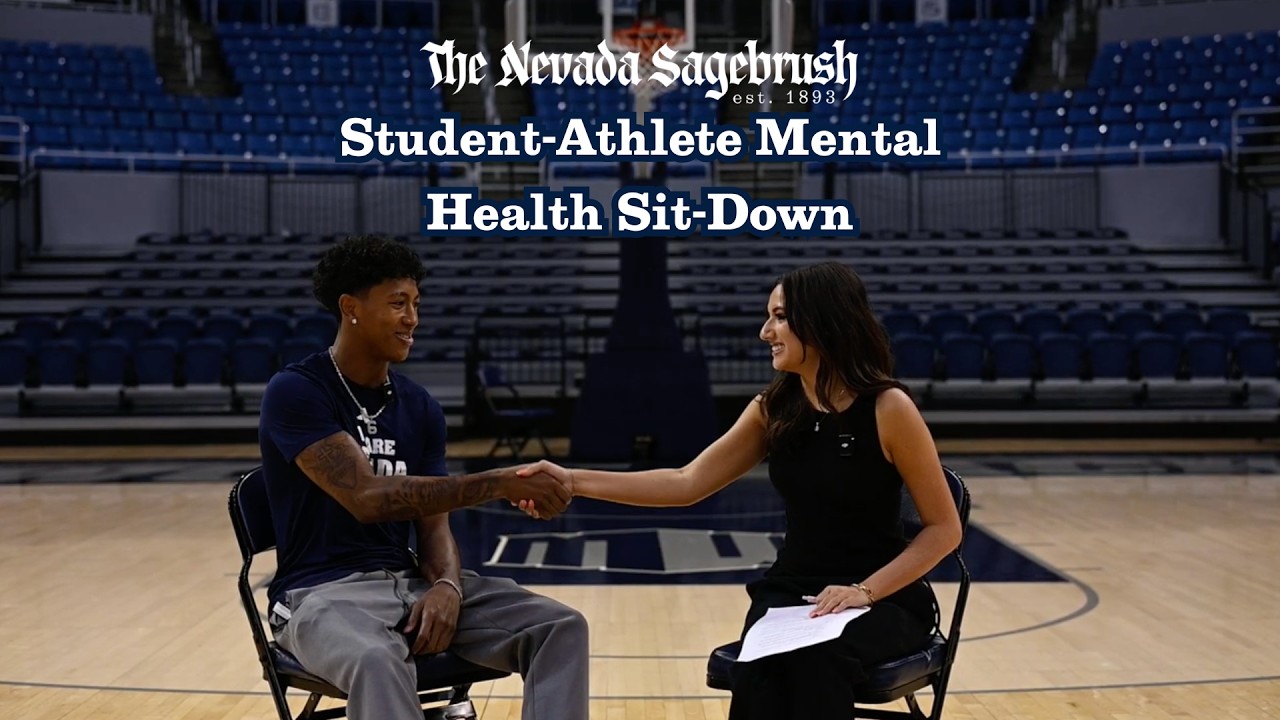
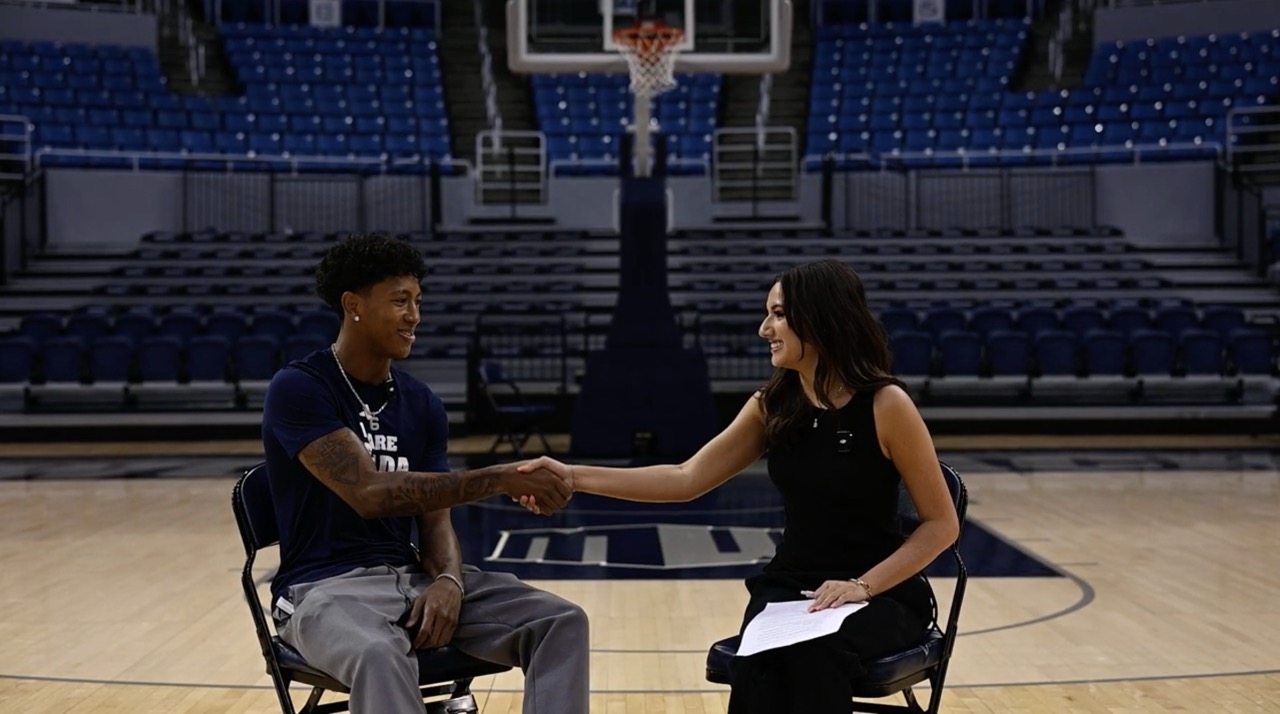
Junior guard TJ Coulter from Nevada’s men’s basketball team sat down with The Nevada Sagebrush to address some concerns facing athletes in terms of mental health.
TJ has played basketball since he was nine years old. During this time he has learned to manage his own mental health while maintaining his love for basketball. Coulter emphasizes the importance of self-care and how it has helped him to stay grounded.
“Taking time for yourself,” Coulter said. “Like, not necessarily people-pleasing in a way but, if your friends want to go out and you’re really struggling, instead of just giving in saying yes, like, taking time away.”
Another factor that Coulter discussed was the importance of supportive teammates, and how having strong relationships on and off the court can make a significant difference in an athlete’s mental health.
“I feel like being able to talk to them about anything is really cool and really good to, like, have that bond with your teammates,” Coulter said. “It’s very important because it will translate to on the court chemistry as well as off-court. “
Even with a multitude of resources available, many athletes don’t utilize these resources due to fear of being criticized by teammates and coaches, or simply because they lack the time to be able to take care of themselves.
On the University of Nevada, Reno’s campus, there are various resources available to athletes. UNR Counseling Services and the Nevada Athletics Mental Health Initiative give athletes access to confidential and professional resources to ensure athletes can manage high performance pressures.
For athletes, mental health is equally as important as physical health. On and off the court, there are struggles from pressure and setbacks that aren’t always visible to fans.
As September comes to a close, conversations about mental health still continue to be important to Coulter, especially as basketball season begins.
“It’s not all like sunshine and rainbows,” Coulter said. “It really gets hard, especially when the cameras aren’t out and it’s just you practicing.”