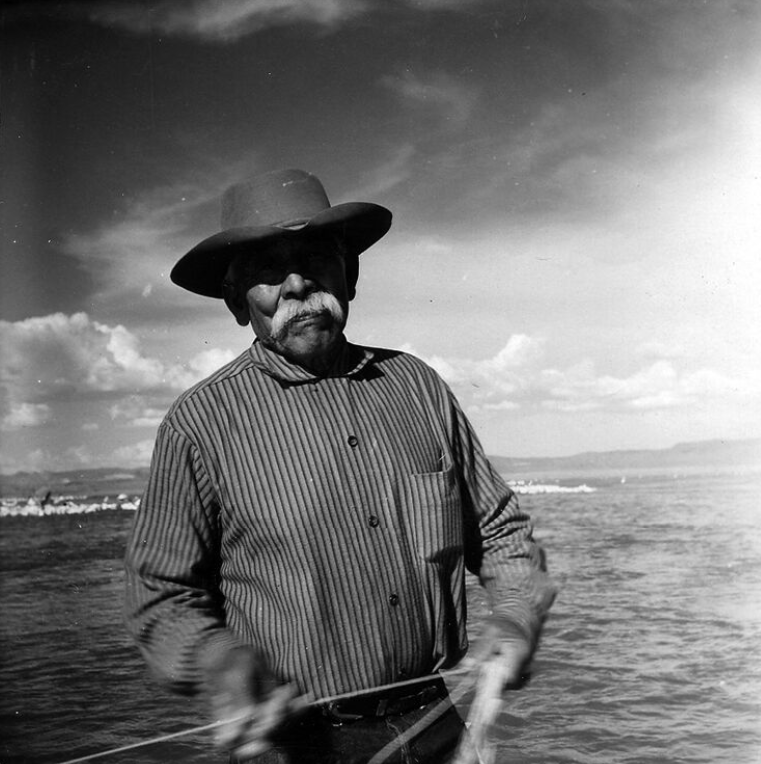

November is Native American Heritage Month, an important time to recognize and celebrate the original people of America across the country.
Nevada is no exception to this; being the state with the third-highest number of Native American reservations in the U.S., Native Americans have a significant presence in Nevada. Unfortunately, this presence is often forgotten or underrepresented. Understanding their rich heritage, culture and history is the first step towards mitigating this and nurturing a more inclusive culture.
There are five major Native American Groups in Nevada: the Numu, Newe, Nuwuvi, Waší∙šiw and Mojave. These five groups are divided between 21 federally recognized tribes and 26 reservations. From those, the Waší∙šiw, or Washoe, and the Numu are the most present in Northern Nevada.
Historically, the Great Basin’s environment shaped these groups. In a terrain where resources were dispersed, the ability to move according to the availability of animals, fish, plants and water was crucial. Navigating this foraging way of living demanded deep environmental awareness from the native communities, alongside a remarkable capacity to harmonize with their shifting surroundings.
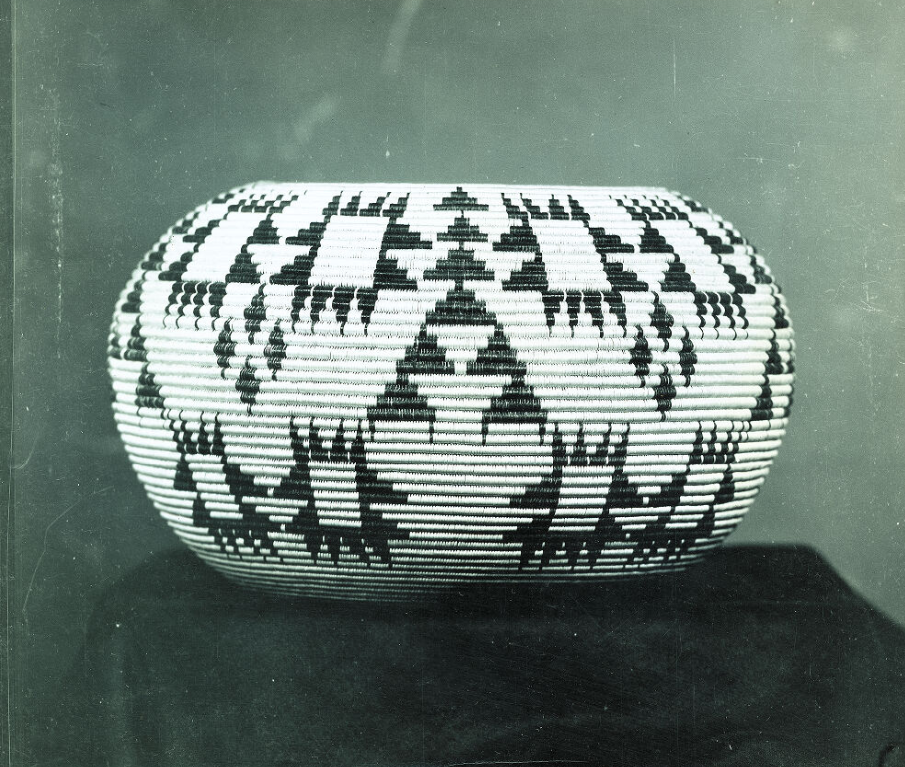
A sophisticated basketry tradition among the Native Nevadans stemmed from this lifestyle. These can vary between tribes, but most often include a bulbous frame made of willow and plant fibers native to Nevada for the weaving.
Basket-weaving is a tradition that spans almost 10,000 years and is still being practiced to this day. Their distinctive shapes, patterns and cultural significance have made basketry one of the most important and recognizable cultural aspects of the Native people of Nevada.
This deep connection to the land also meant that, even though the Indigenous Nevadans were far from a monolithic group, at the center of their religious beliefs was the sanctity of the environment. Animals, natural phenomena and sites like Lake Tahoe all held spiritual significance to the Indigenous groups, which also meant it was greatly important to take care of them. Selective harvesting, seed dispersal and controlled fires were all done in order to respect the balance of nature.
In addition to reverence towards nature, myths and legends are important parts of Indigenous religious tradition. For example, in the tradition of the Nuwuvi people, it was believed that a coyote was instructed to carry humanity inside a basket to the land of southeastern Nevada and adjacent states, while being told not to peek inside. Overcome by curiosity, he opens the basket and causes the people to rush out and be dispersed across the land. In the end, only the Nuwuvi people made it to their designated homeland.
Unfortunately, this cultural environment completely shifted upon European arrival into Nevada.
The first recorded European contact with the Indigenous people of Nevada was during a Spanish expedition in 1776. After that initial contact, European presence in Nevada remained sparse and temporary; Nevada was mostly seen as just an obstacle or intermediate place.
This changed after the Gold Rush. Following the discoveries of gold and silver in Nevada and California, hundreds of thousands of settlers began to move across and into Nevada. The need for boomtowns and supply stations exploded, leading to the creation of cities like Carson City and Virginia City.
Inevitably, this created friction with the Indigenous people of Nevada. For more than 10,000 years the Indigenous people had called Nevada their home, and now, in a short amount of time, they were forced to abandon their ancient way of life and give up their ancestral lands to strangers.
This friction culminated with the Paiute War of 1860. On May 6, 1860, Paiutes raided Williams Stations and killed the people inside it. There is no universally agreed upon motivation for this, but it was most widely cited that this was retaliation for the kidnapping and abuse of two Paiute girls by white men there. This led to the first and second battles of Pyramid Lake, and the subsequent defeat of Paiute Forces that same year. In the end, a ceasefire was agreed upon, but no treaty came about.
A treaty to curb violence between the natives of Nevada and the settlers did not come about until 1863, with the Treaty of Ruby Valley between Western Shoshone leaders and American officials. This treaty attempted to end tribal hostilities towards settlers, and was mostly able to do so. Nevertheless, Native American woes in Nevada were far from over. Their ancestral land was still being depleted of resources and their culture, language and customs were suppressed.
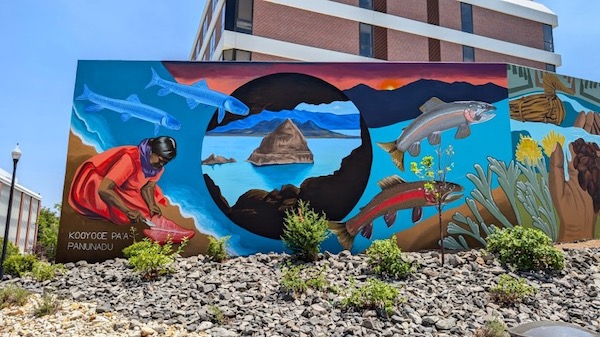
For instance, in 1905 the Derby Dam was completed about 20 miles east of Reno. This dam diverted about 48% of the Truckee River water away from Pyramid Lake towards summer irrigation in Carson Valley. This meant a drastic decline in the water levels of Pyramid Lake and an existential danger not only to the Paiute’s livelihoods but their identity. The Cui-ui fish that they relied on became endangered, and the Paiute tribe had no grounds to challenge this until the Endangered Species Act of 1967.
Another clear case of Indigenous victimization is the Steward Indian Boarding School, south of Carson City. From its opening in 1890 to its closure in 1980, its main goal was to assimilate Indigenous kids into the larger American culture, separating them from their families and cultural identity.
In the end, these aspects of Native history can never be undone or fully rectified, and will instead always be part of their heritage. Nonetheless, they do not define the Native people of Nevada. Those are events in the past, and their traditions are still alive and thriving today. In recognizing that rich culture, not only can we honor the past of Nevada, we can also preserve its present and future.