
Maggie Hennefeld, a professor of cultural studies and comparative literature at the University of Minnesota, Twin Cities held a presentation on “Archives of Feminist Film Comedy”, at the University of Nevada, Reno to showcase her work of recovering the very first feminist film comedies on Nov. 14 by presenting screenings of leading women.
The first short film to be presented was “The Doll’s Revenge” from 1907. A girl receives a doll, which is stolen by a boy. He dismembers the doll, which soon comes to life and takes her revenge by devouring him. What comes off as disturbingly bizarre sends a message of feminist justice against violent oppression.
“The doll eats the little boy alive,” Hennefeld described, “but only after he had sadistically mutilated and dismembered her.”
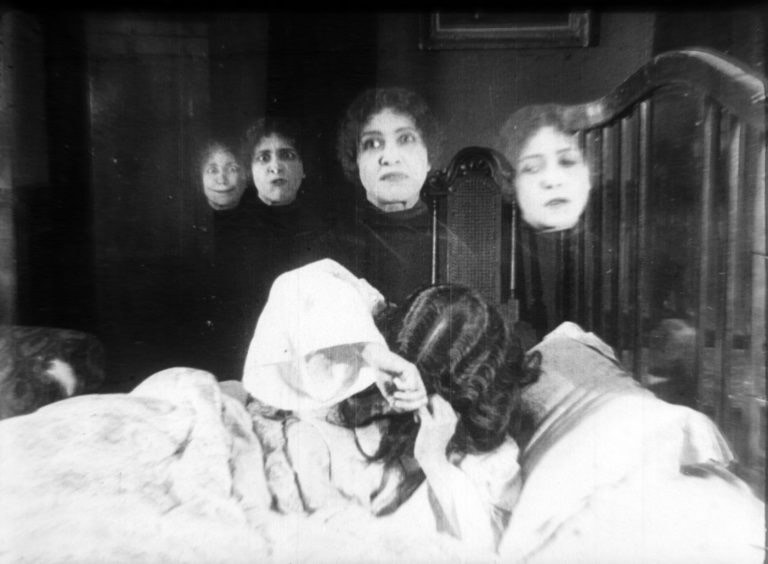
Hennefeld shared how the doll, representing youthful femininity, is destroyed at the hands of male abuse. Thus, she gets revenge by inflicting the same pain that she’s endured. “The Doll’s Revenge” criticizes the abuse of women by transferring the torture they experience onto their oppressor.
Another instance of an early short film denouncing sexual assault is one of the earliest films from the 1800s, “A Dairy Maid’s Revenge.” The 30-second clip shows a man molesting a maid, who later retaliates by pouring fresh cow’s milk on him. Rather than accepting and enduring harassment, the maid defends herself in an act of bravery.
As an archival film curator and feminist comedy scholar, Hennefeld developed a collection featuring female-led comedy films that have almost been lost to history. She achieved this through finding and restoring primarily 20th-century silent films from international archives to build a collection titled “Cinema’s First Nasty Women.” These works came from areas including the United States and Europe.
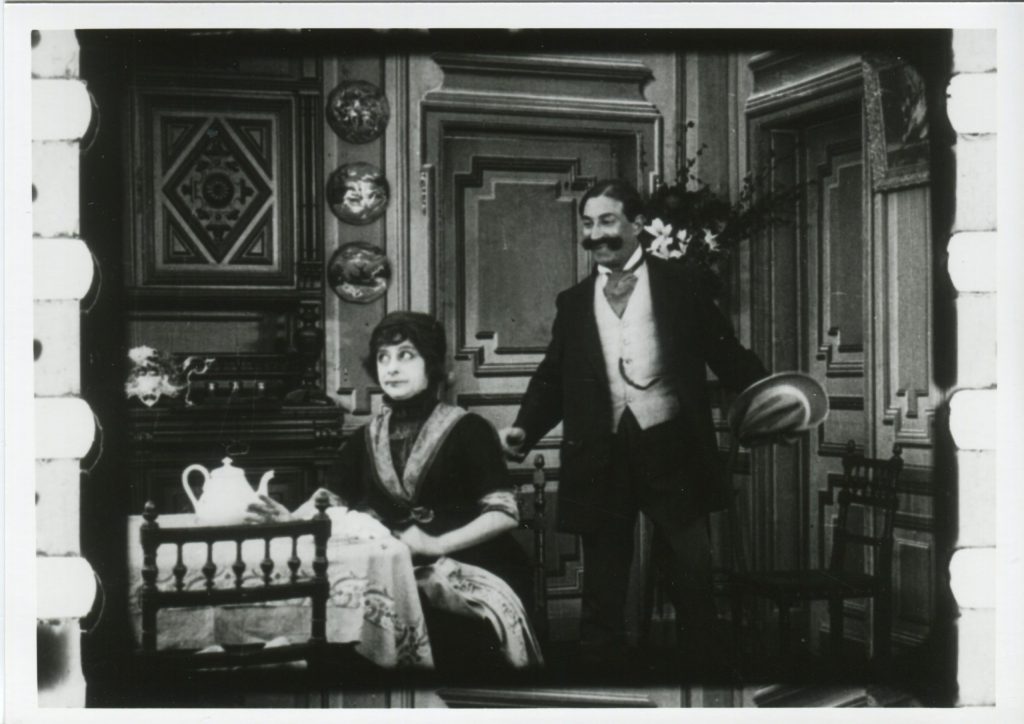
Hennefeld denoted how women are routinely overlooked, especially in comedy which is already unrecognized compared to other genres. In her work, she unearths these old works of film with the intention of showing “these fiery outbursts of subversive joy that exceed the constraints of those genres and defy the imperatives of narrative’s sensemaking.” By uncovering these old films, she hopes to make them available to the public for years to come.
She commented on how the border between current society’s politics and comedy is blurred with the term “permanent carnival,” where “everything is supposed to be funny all the time, and therefore nothing is funny at all” according to Hennefeld. This form of witty satire gives insight to the truth of those in power who corrupt society.
Early feminist comedies not only gave women a voice in a political, patriarchal society, but empowered ethnic and queer diversity. In “Cinema’s First Nasty Women,” Indigenous actresses such as Lillian St. Cyr and Minnie Devereaux and Japanese-American actress Tsuru Aoki are featured. Fay Tincher, a lesbian comedian, also acted in the films. Another actor, Evelyn Greely, has performed as a sapphic woman and cross-dressed as a male Latin professor. One of the first African-American women to be in a silent film was Bertha Regustus, known for early 1900s films such as “Laughing Gas”, “The Servant Girl” and “What Happened in the Tunnel.”
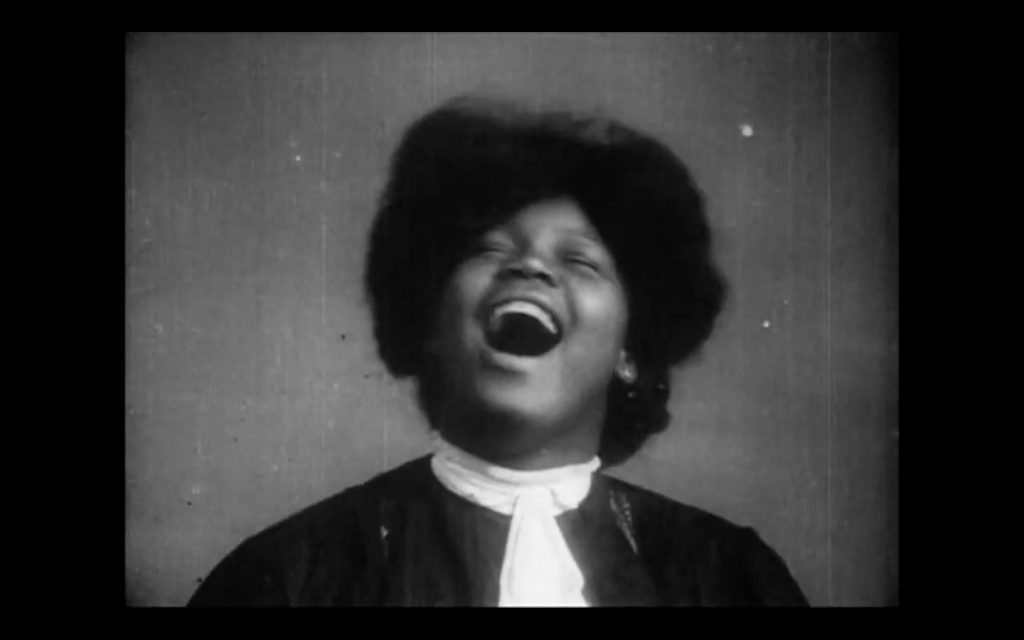
Hennefeld talked about how proof of feminism’s extensive history is discovered through these aged films rooted in fighting against a sexist patriarchy. Aside from women’s rights activism, these films also break gender boundaries through featuring women cross-dressing in masculine disguises and queer portrayals.
When people look back on the 20th century, most view all women of the time to be docile and ladylike. In reality, this couldn’t be further from the truth. According to Hennefeld, these films were concrete evidence that women in history broke sexist stereotypes by smashing plates, exploding out of chimneys, seducing other women and electrocuting the police.
During the event, Hennefeld discussed the importance of resurfacing early feminist comedy: recognizing the political messages behind the laughter and realizing that women have always been present in popular media. In a time where women were often subjected to sexism in a patriarchal society, these comedy films were a way to break free from misogynistic stereotypes and let their true nature shine.
