
Women’s History Month is the time to admire women in all shapes and forms — dreamy or enraged, joyous or gloomy, demon or alien. University of Nevada, Reno assistant professor of Gender, Race and Identity and English, Guadalupe Escobar, shared her top five movies and TV shows to celebrate Women’s History Month, showcasing how woman-centered media uncovers the untold stories of all that women experience.
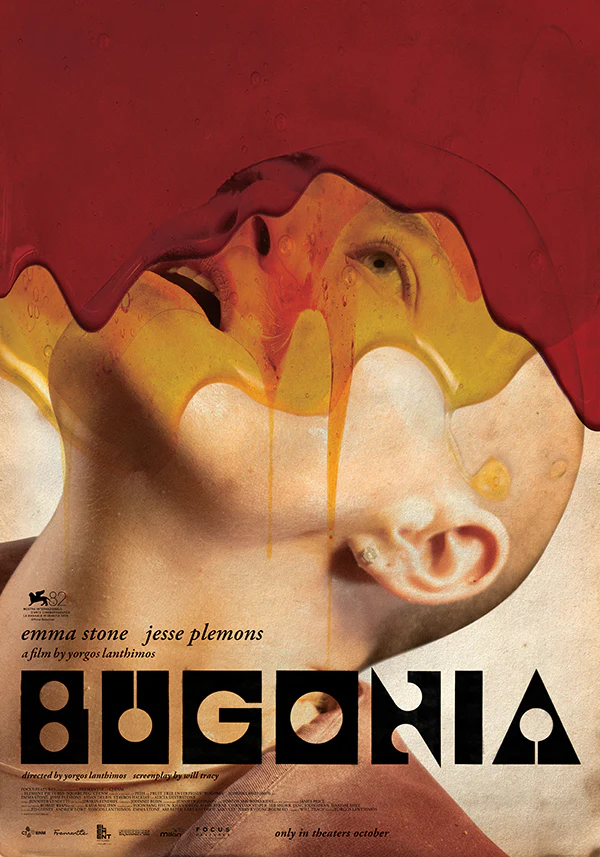
- Bugonia (2025)
Escobar praises Emma Stone’s performance in this black comedy thriller as Michelle Fuller, who is at the height of her success as a wealthy CEO of a pharmaceutical company. She is then captured by two conspiracy theorists who believe she is an alien planning to wipe out humanity.
Escobar highlighted the film’s themes of body horror, pregnancy and reproductive control, and shared how she is fascinated “when cinema wants to critique this particular kind of horrific, yet marvelous, sense of embodiment and gender.”
- If I Had Legs I’d Kick You (2025)

This comedy drama caught the attention of Escobar as it centers around a mother, played by Rose Byrne, who suffers internal torment from her daughter’s mysterious illness while her husband remains inattentive.
In society, parental duties commonly lie upon the mother, bearing the weight of responsibilities and facing criticisms for hertheir parenting. Meanwhile, the father simply has to exist to be praised, and even then, some won’t bat an eye if they’re absent entirely.
Women are expected to carry the natural maternal instinct that views motherhood as a blessing. Escobar detailed how the film contrasts from this commonly held belief and touches upon the dark side of maternity.
“[It showed] the disparities of child bearing, child rearing,” she said. “And how oftentimes it can be so distressful to feel like a single parent, even when you might be partnered up.”
- The Ugly Step-Sister (2025)
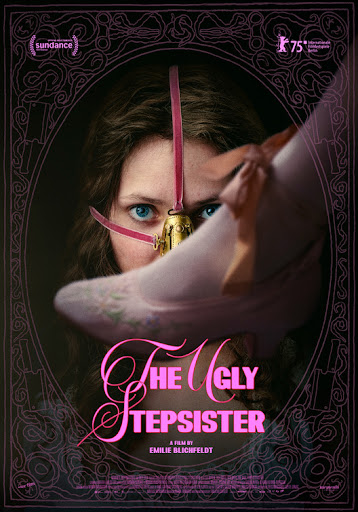
As a fan of body horror, Escobar recommendeds the dark re-telling of the classic fairytale, Cinderella. This Norwegian film differentiates from the original as Elvira, the ugly step-sister, aspires to draw the attention of the prince to escape from poverty. However, her dream is threatened by her beautiful step-sister, Agnes. The only way for Elvira to reach her goal is to become the prettiest of them all, at any cost.
Reflecting on the themes of the film, Escobar brought up the rise of “looks-maxxing” on social media platforms such as TikTok and Instagram. The trend influences people to subject themselves to harmful beauty practices in an effort to conform to certain ideas of what a perfect person should look like.
“It just reminds me of the beauty standards and the impossibility of achieving it,” Escobar said. “And trying to appease the male gaze.”
- KPop Demon Hunters (2025)
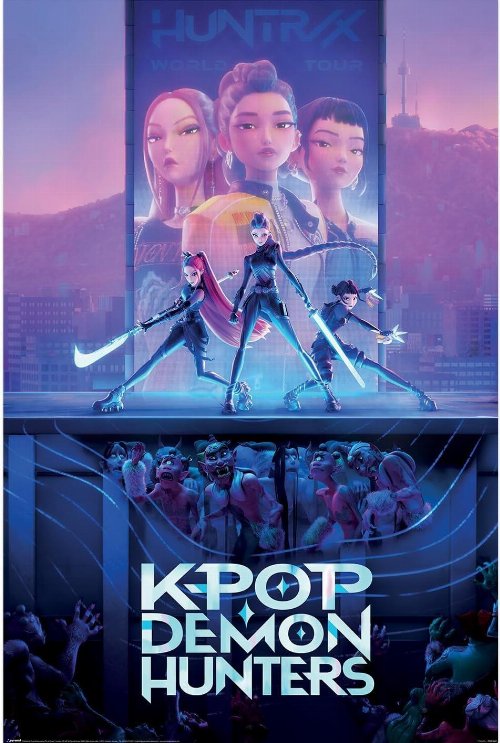
The Netflix animated film took over the world with its catchy tunes, lovable characters and riveting story. “KPop Demon Hunters” centers around Rumi, Mira and Zoey. The trio of best friends perform in a famous KPop girl-group, Huntrix, by day and slay demons by night. But unbeknownst to her two closest friends, Rumi conceals a hidden secret: she’s half-demon.
Aside from some viewing it as a popular kid’s cartoon, Escobar shared how the movie encapsulates the scars of shame from hiding painful histories and the fear of being outcast for one’s differences. However, Escobar believes that flaws “make us who we are and can be a source of strength.”
Rumi’s story portrays being caught in-between identities, her human side versus her demon side. Underneath the vibrant visuals, the heart-pounding action and the infectiousness of “Soda Pop”, Escobar said that “KPop Demon Hunters” is an inspiration to accept and embrace every side of who you are, unashamedly.
- Dying for Sex (2025)
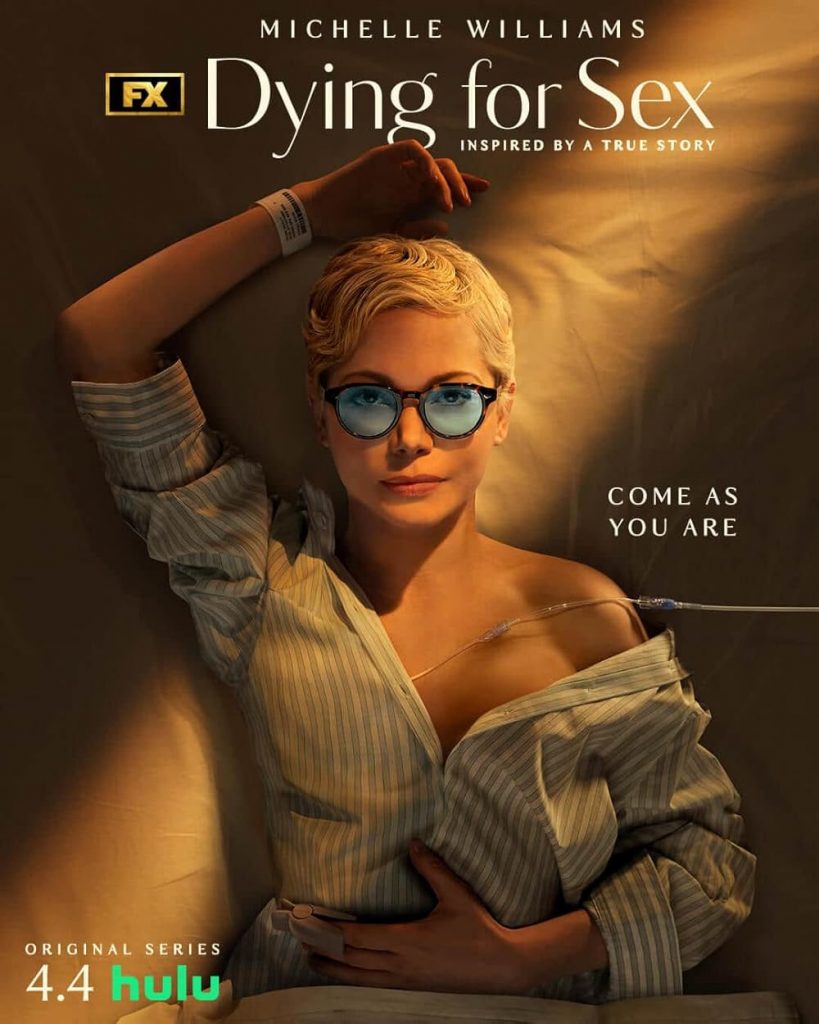
This comedy drama miniseries follows Molly, played by Michelle Williams, who, after being diagnosed with terminal cancer, escapes her dull marriage to explore her sexuality, balancing her illness and new romantic endeavors.
Although her death is imminent, her diagnosis rather offers an opportunity to be rebirthed with newfound freedom, unafraid of her pain as she chases pleasure. “Dying for Sex” sets the scene for disability awareness in the eyes of a woman that celebrates life instead of focusing on her suffering.
”It almost beautifies cancer through her role,” Escobar said.
Woman-centered media breaks the mold of female characters simply being seen as secondary, a companion or simply eye candy to hang off the arm of a man. For women who are told that they are “extra” when they’re excited, “hysterical” when they’re upset or “dramatic” when they’re sad, woman-centered movies and TV shows are essential to expose what it is like to truly be a woman. DuringWith Women’s History Month, understanding the stories and experiences of women through media embraces them for who they are, unafraid to show the beauty and ugliness of it all.
