The University of Nevada, Reno Honors College hosted a debate on March 9 for candidates competing for the college’s senate seats in the upcoming Associated Students of the University of Nevada (ASUN) elections.
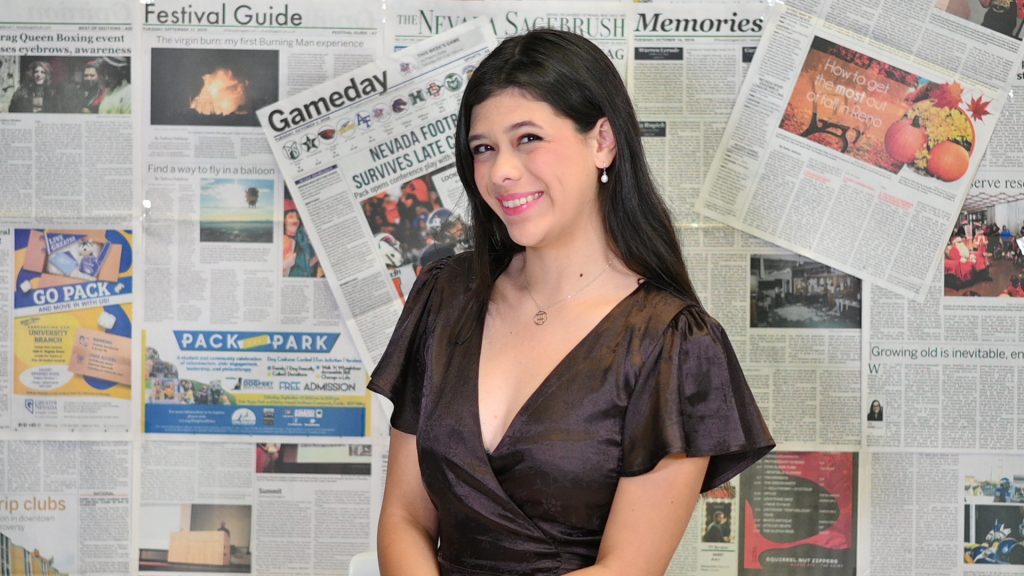
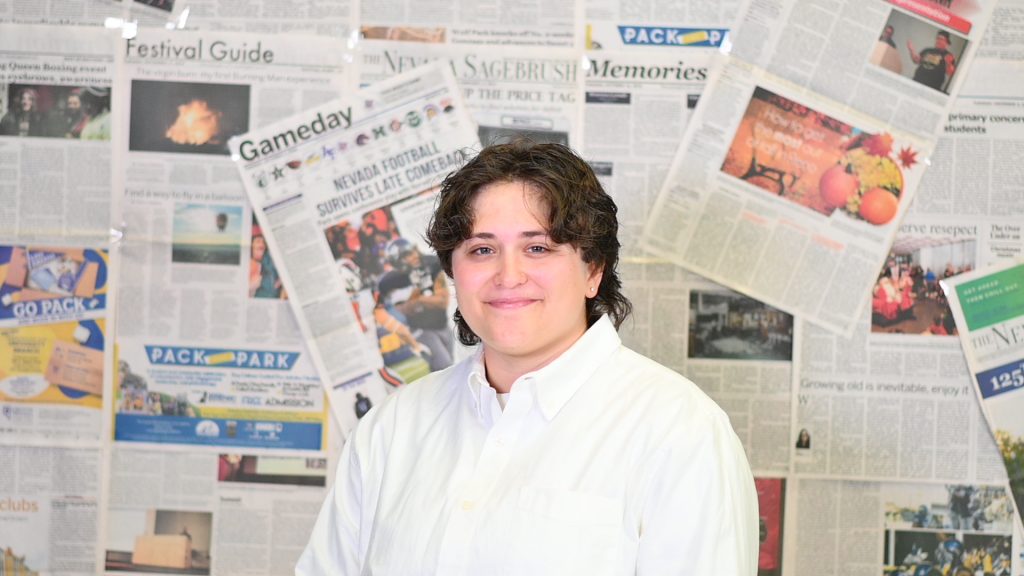
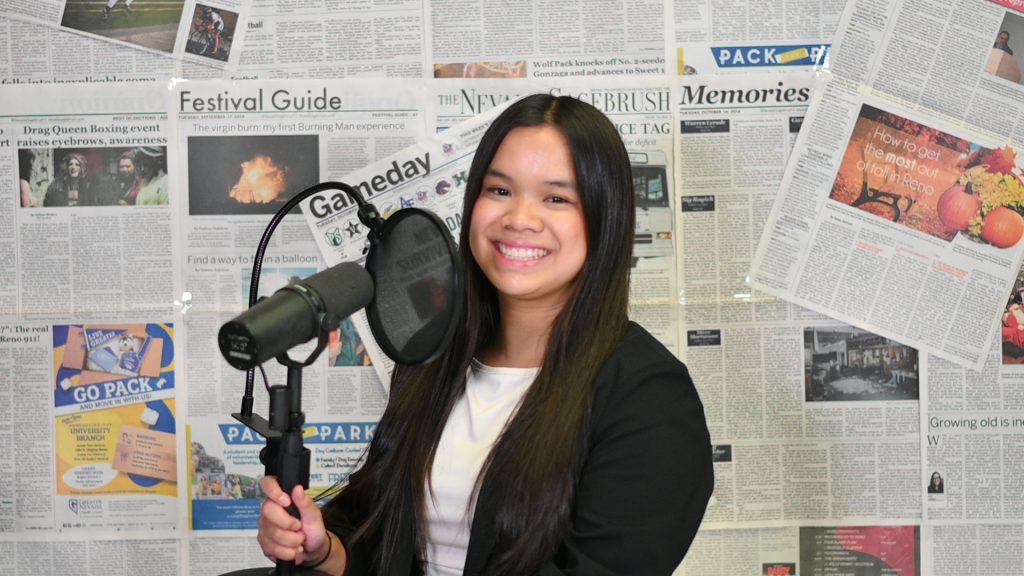
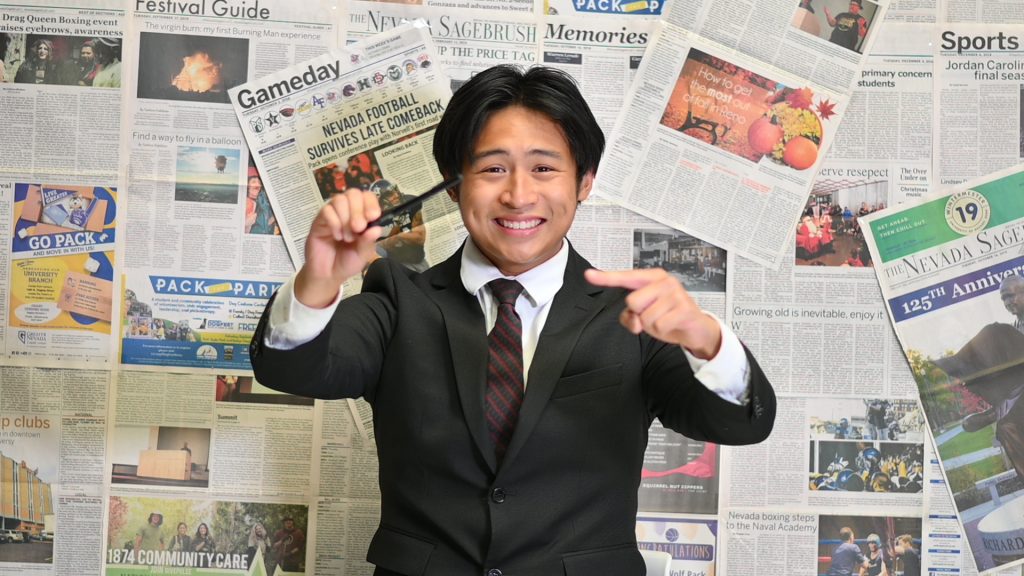
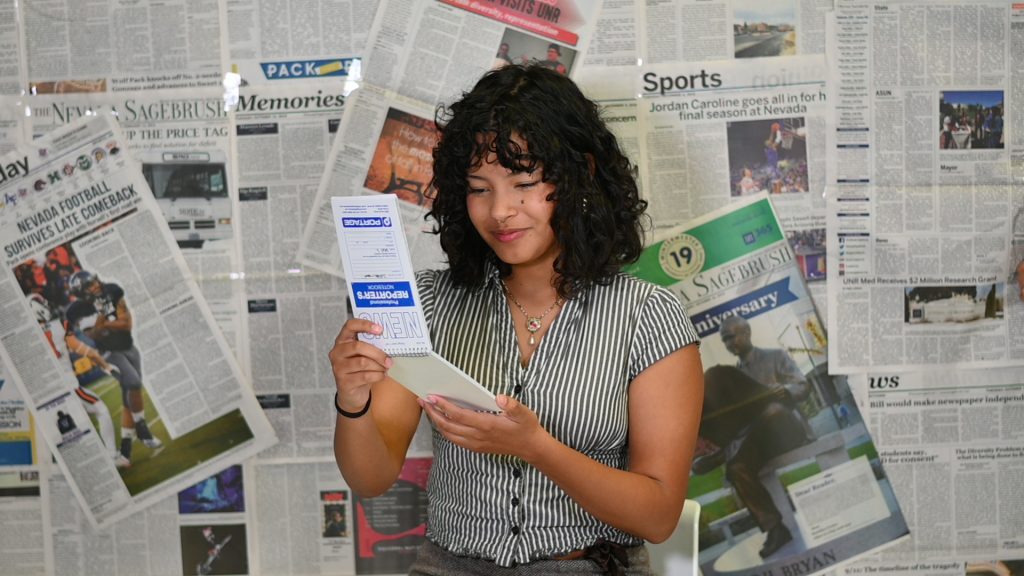
The Honors College currently has four students running for its two open ASUN senate seats: Ryan Rushton, Sidney Horst, Mari Nava and Zion Price. At the debate, Price, Horst and Nava were present, while Rushton answered the questions in the form of a pre-recorded video. The event was moderated by current Honors College Senator Madison Kitch.
The Honors College was the only college to hold a debate for its candidates. Kitch, who hosted the discussion, said that the event was based upon the debate she partook in when she first ran for senate in 2024. “I wanted to really kind of set the tone for this election by hosting a debate with our students,” Kitch said.
“There were a lot of ‘meet the candidates’ events when I ran in 2024,” Kitch explained. “I didn’t see a lot of this, a whole lot of it, this year. I saw that candidates were taking it into their own hands, which is great. But I think there should be some more support, and so that’s why I wanted to provide that support to my candidates … to make sure that they, or that whoever wins, are the best set up to succeed in the next year.”
The event was open to students in person and was livestreamed on the Honors College Instagram page. In attendance for parts of the event were College of Liberal Arts Senators Viviana Castro and Miriam Dayton, as well as ASUN presidential candidate Natalie Palmer.
Candidates were asked a series of nine questions, which were written by Kitch and Honors College Dean Matthew Means. Each candidate was given a limited time for their responses following each question. Rushton, who was asked the questions over an earlier Zoom call, had his answers played for the room.
After the pre-written questions were answered, the floor was opened to students to ask candidates questions.
Questions focused on why candidates wanted to run, their prior experience and their goals concerning the Honors College. Candidates also discussed reforms and issues with ASUN as an institution on campus.
Improving engagement in ASUN was a recurring theme during the debate. All four candidates mentioned outreach as a very important issue to their campaigns, and made various suggestions to improve representation in ASUN.
“I’d like us to set the example for other students at the University to go to ASUN meetings, provide public comment and give their opinions on how they think their fees student funds should be used,” said Price, who suggested holding monthly “town hall” meetings with students.
Currently, senators are able to participate in a wide variety of actions that count as outreach. Nava aims to improve this system. “I want to reform [the ASUN accountability system] to initiate that, for outreach, you have to go talk to your constituents,” Nava said. “You shouldn’t just go talk to your dean, or have meetings with your intern, stuff like that, because that’s not really what ASUN is about. It’s about representation.”
Horst advocated for senators making information accessible, especially through continuing tabling efforts after elections and posting on social media. “When you are not having those conversations, and when you are being extremely vague, it is not purposeful, and it is disrespectful to the people who you are representing,” she said.
“Senators are expected to legislate and do outreach,” Rushton said when discussing improving student advocacy in the Association. “Those are their two main responsibilities, and I think that senators often forget that outreach involves advocating for their students, not necessarily just meeting with people and then not doing anything because of it.”
The event itself provided an opportunity for promoting civic engagement between ASUN and the student body. “I think the first step towards engaging students is … to meet them where they’re at,” Kitch said when reflecting on the goals of the event.
“I think it was a really great environment and people felt safe actually asking questions and the candidates felt safe elaborating,” Kitch said. “This was a good turnout, but I think it can always be better and there’s always room for improvement. I just really want them [students] to be as knowledgeable of who their senators will be next year as possible.”
The ASUN elections will be open to students until Thursday, March 12 at 5 p.m.