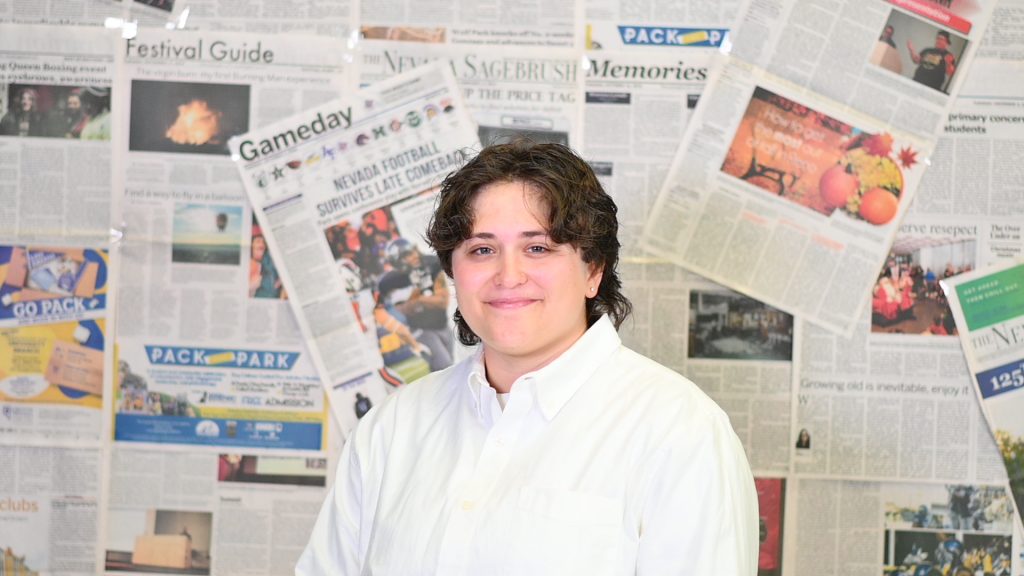
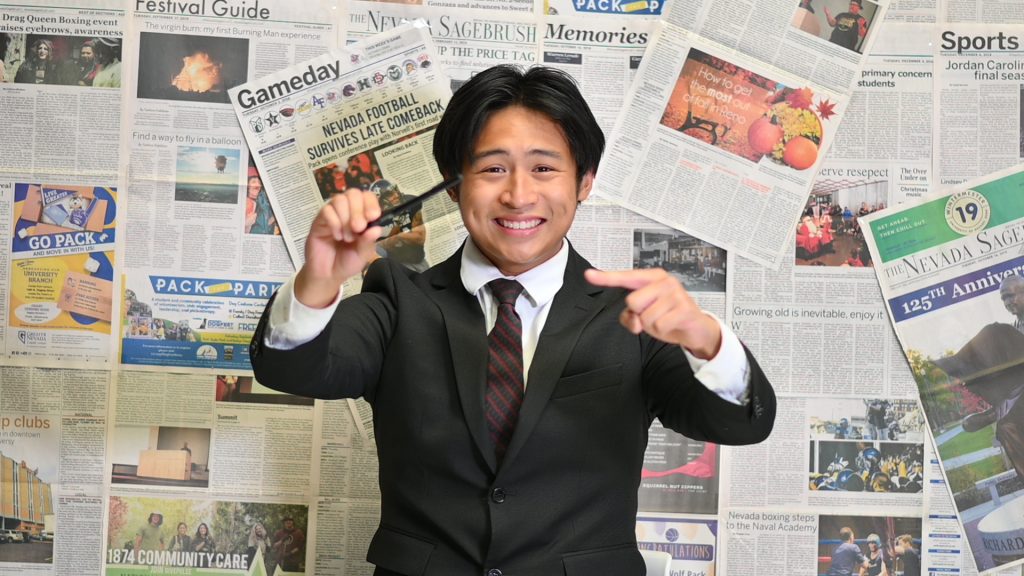
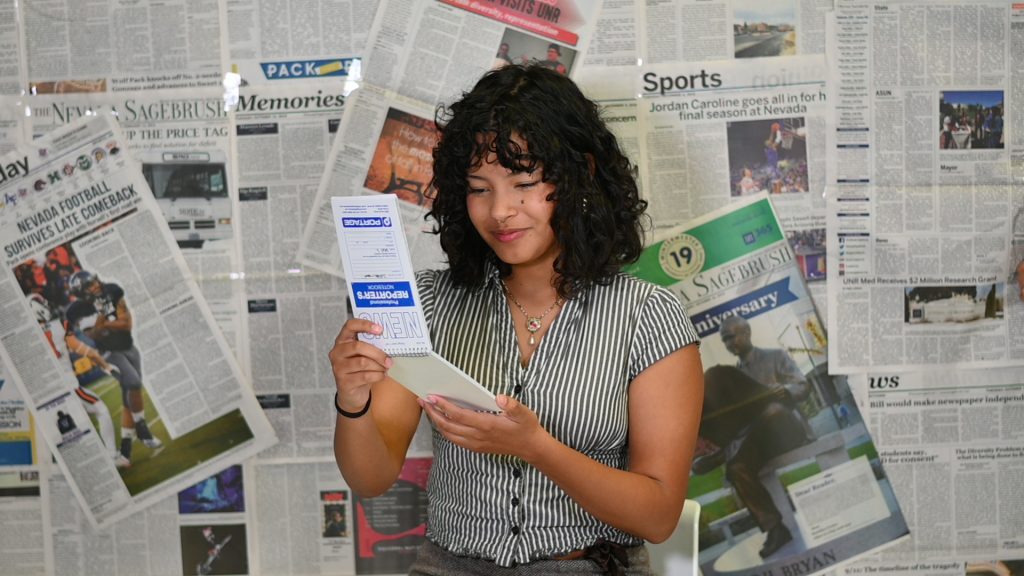
Born to a Pakistani couple, Aliza Ali has spent her whole life in Reno, growing up eating traditional Pakistani dishes like chicken karahi, biryani and more.
But only at home. Ali is a junior at the University of Nevada, Reno (UNR) and the social media coordinator of the Pakistani Student Association. With the minuscule Pakistani community in Reno, she has been unable to find restaurants that serve the cuisine of her family’s culture, and has been forced to resort to Indian places that fail to mirror the food she desires.
Ali visited one restaurant about five years ago. “It was authentic Pakistani food. The business was doing well in the first few years. It had great food,” she said. “But slowly, they just started going downhill.”
The 18-year-old recalled how the food gradually lost its flavor as the restaurant seemed to be mimicking Indian cuisine. Even the look of the restaurant had changed – the traditional decorations had been stripped until it was just a typical restaurant.
“If you walk into the restaurant, you couldn’t tell if it was Pakistani or not,” Ali said.
Being a part of a small South Asian group in predominantly white Reno, Ali has come up against obstacles again and again to find a restaurant and atmosphere that truly captures the taste of her Pakistani culture. She’s not alone.
According to the United States Census Bureau, Asians only make up 7% of the Reno population, while white people make up 60.4%. Without their cultural cuisine in a very small Asian community, many Asian UNR students have trouble adjusting to Reno.
Like Ali, UNR sophomore Dylan Kim shares the same experience with authentic Asian cuisine in Reno. As Korean and Chinese, it’s hard for her to locate high-quality restaurants that aren’t “take-out quality,” Kim said.
Kim moved to Reno from Las Vegas, where there is a large Asian population. In Reno, she considers the Korean restaurants average, but as authentic as they can be. She recognized that, for a small town, it’s difficult to transport high-grade materials for Korean food. However, the issue is that the food’s cost is high while the quality is low.
At one Korean restaurant in Reno, she said that the “all-you-can-eat [menu] costs $40-$50 and the quality of the meat is not even that good.” However, in Vegas it is “less than $40 to only even $30 at times. So it’s really frustrating.”
When it comes to finding fair-priced Asian cuisine, many traditional dishes require ingredients or seasonings that are inaccessible in Reno, especially high-end meat and sushi-grade fish.
Acquiring those ingredients would mean to exhaust funds, which is often out of the question for small local businesses. The only option is to leave them out, but this lowers the food’s quality and takes away authenticity.
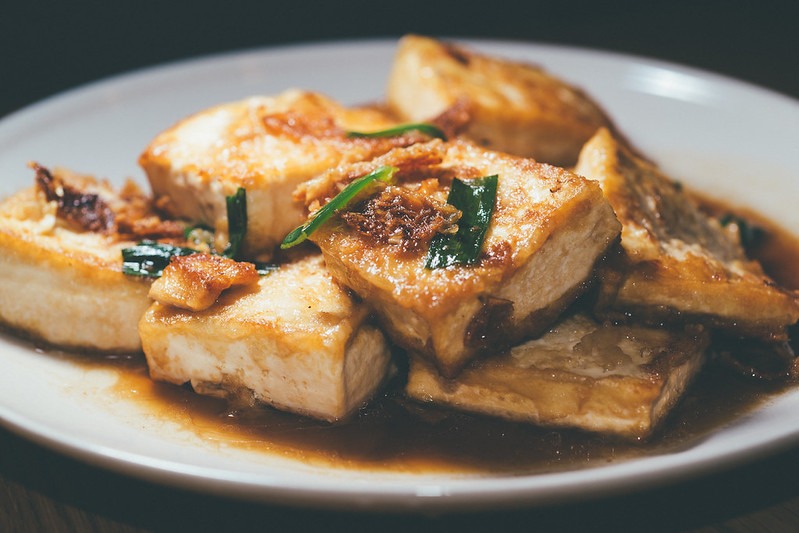
Photo by Vincent Sheed via Flickr
Asian UNR students have also felt that restaurants in Reno fail to stay true to the culture and rather appeal to the larger white demographic.
In her freshman year, Kim was shocked to find that a sushi restaurant didn’t have the standard essentials that others do. She asked the waiters for a classic Japanese sauce called ponzu, but they had no clue what it was. Thrown off guard, Kim questioned their credibility as a sushi restaurant if they had no knowledge of a basic ingredient.
There are many Asian-fusion restaurants in Downtown and Midtown Reno that add American influences and modern twists. But for Asian locals, some have no interest in dishes that stray from tradition.
Although these restaurants aim to attract many customers, they fail to accurately reflect Asian culture. It can get to the point where Asian UNR students, who are truly tied to cuisine’s heritage, don’t feel at home. The presence of authentic Asian restaurants in Reno is not simply about the cuisine, but to give a sense of comfort and belonging to Asian residents and UNR students who moved to an unfamiliar environment.
Kim has moved away from her Korean/Chinese family and left the large Asian population in Las Vegas. However, she can find consolation from eating the flavors of her home. But in Reno, she finds disappointment in the lack of authentic Asian restaurants.
“It kind of sucks, because coming to Reno, I grew up on these foods,” Kim said. “I’m also Asian American as well, so it’s really nice to have those comfort foods if I don’t have my family here to help me.”
Asian UNR students like Ali and Kim want to take part in their culture, but are extremely limited in Reno. However, there exist restaurants that both respect Asian culture and cook up mouthwatering food.
UNR junior Julia Begonia was born in the Philippines and has lived in Reno with her family since 2017. Recently, she discovered a newly opened restaurant named Malayà located in Midtown that made fair-priced, exquisite and especially true-to-origin Filipino food. It didn’t feel like only a restaurant for Begonia; it felt like a home. For her, it was as though she stepped into her grandma’s home with her favorite childhood meals and the comfort of being surrounded by Filipinos.
Begonia was raised with her parents making Filipino dishes such as sinigang (savory, sour soup typically made with pork, tamarind and vegetables), tinola (chicken soup) and pancit (stir-fried noodles). After eating at Malayà, she felt that the food from the restaurant tasted exactly the same. The Filipino owners and chefs ensured an enjoyable, authentic dining experience. She recalled past experiences of going to an Asian restaurant with non-Asian staff where the food didn’t live up to her expectations.
“If it’s mostly Filipino-owned and mostly Filipinos are cooking, I feel like that’s how you know that it’s authentic,” Begonia said. “Those are the people that know the food best and how best to make it.”
The transition of leaving your family and community can be difficult for college students, especially when your new environment is so different. At UNR, Asian students can face a great challenge to experience their culture and find solidarity where their population is so little. But a simple, tasty dish that brings back memories from home can make a great difference in bettering the Reno community and promoting diversity.