
The month of February highlights the significance of Black history, an integral piece of our nation’s narrative. While these stories should not be designated to just one month, February offers an elevated platform to showcase prominent Black art and media.
Sesina Goitom, director of marketing for the Black Student Organization at the University of Nevada, Reno, touched on a few of her personal top picks of Black art and media.
“I would say for me, it’d be music and movies, but fun movies, not the sad ones,” Goitom said.
She went on to explain that she appreciates the more dramatic movies for the key stories they share, but she prefers rom-coms and lighthearted stories centering Black love and success. Goitom listed some of her top film and TV show picks for February:
- Bridgerton & Queen Charlotte
- The Best Man
- Princess and the Frog
- Love and Basketball
- Hidden Figures
- 12 Years a Slave
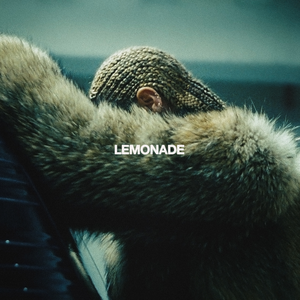
Music, another form of expression, offers layers of selective composition that blends to create a harmonious narrative. It is one of the most universal ways to tell a story, and the Black community has established a profound impact on music culture worldwide.
“‘Lemonade’ [by Beyonce] is a work of art. That’s her best album, but probably my favorite would be ‘Lemonade’ or ‘Four,’” Goitom went on to say.
Her top music artist recommendations include:
- Beyonce
- Kelani
- Mariah the Scientist
- PARTYNEXTDOOR
When asked about movies and shows in need of more representation, Goitom described Black love stories. “If you ask a Black person, ‘What’s your favorite rom-com?’ they’re gonna give you three answers.”
She explained that Black romance stories have been at a standstill for the last 20 years. The most prominent rom-coms date back to the early 2000s, with movies like “Love and Basketball” and “Last Holiday”; audiences have not seen anything noteworthy since, according to Goitom.
“Because rom-coms are my favorite genre, I’d like to see more representation in that area.”
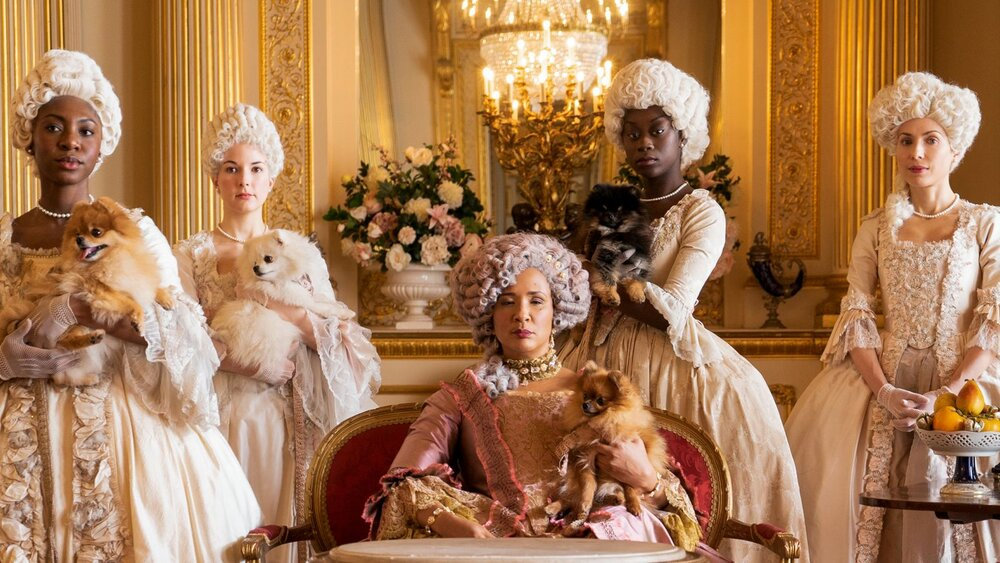
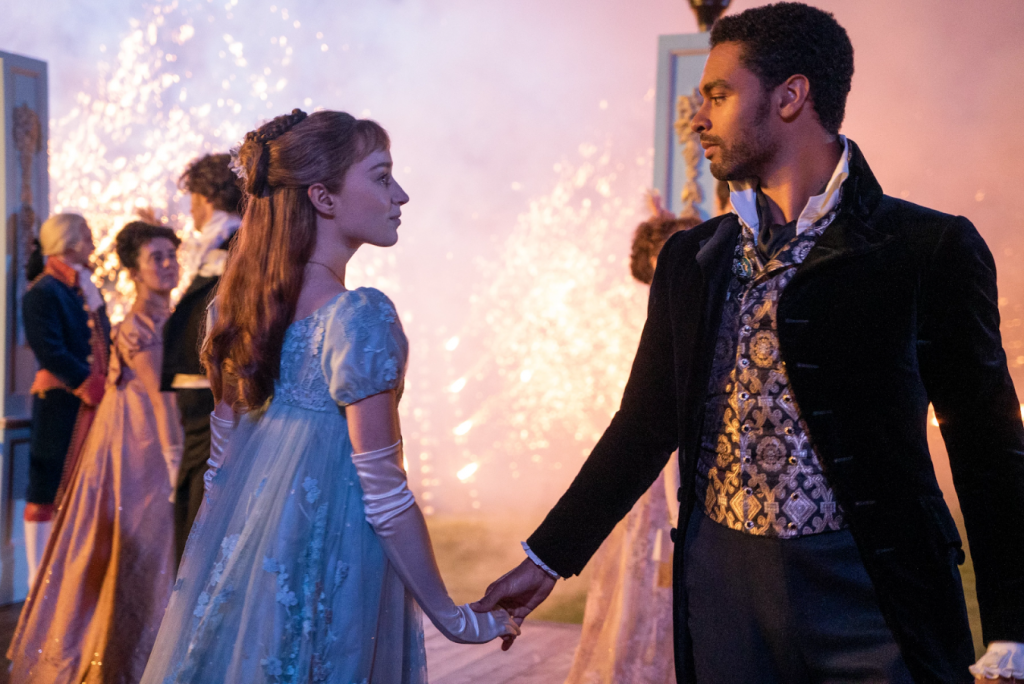
“Bridgerton”, a romantic drama series set in 1800s England, has been a hot topic in modern media for the last six years. Its contemporary adaptation of Regency-era romance spread like wildfire. Conversations around the show’s racial castings, gender swaps and heated love scenes resurface every season.
The question, however, is whether these choices were made with authentic representational intentions in mind, or if the “representation” is performative.
“I do think for the most part, it’s not performative. It’s them just trying to put representation within an era that has never had it before. It’s really refreshing to see all those new races and everything in the show,” explained Goitom.
Goitom believes “Bridgerton” offers a sense of escapism for people of color. The incorporation of diverse actors combined with appropriate and relative story lines allow minorities to imagine themselves in that world.
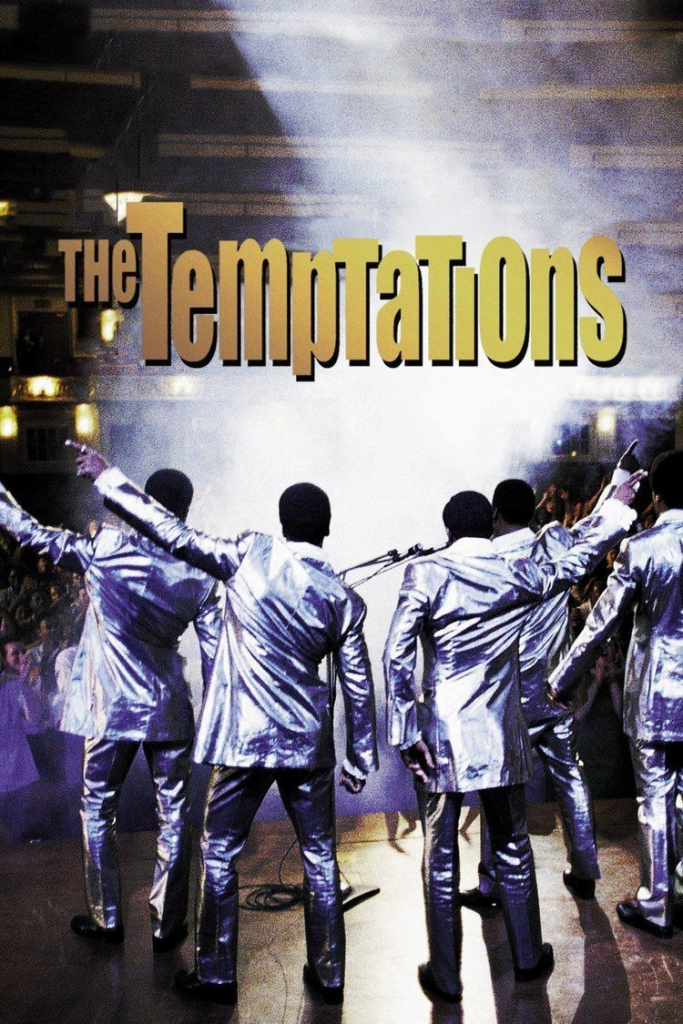
Ja’Nique Jenkins, another member of the BSO at UNR, shared some of her favorite pieces of media that honor Black history.
- The Temptations
- The New Edition Story
Jenkins is an avid music fanatic; her expertise lies in the realms of song. “I listen to all types of music. I love, like a little indie, pop, R&B,” she went on to say. Her favorite artists are:
- The Internet
- Tyler the Creator
- Jill Scott
- Lauryn Hill
Stories centering people of color require depth and range, yet often do not receive it. Goitom mentioned a scarcity in Black rom-coms, to which Jenkins elaborated on.
“I think it’s important to not always, and I think it’s just common, base the movie on trauma, because it’s more than just trauma. We have a lot to offer,” she said.
She explained there is a lot of Black culture to highlight that isn’t based around death and murder. While Jenkins praises the heavier-themed movies for their quality and significance in media, she craves the casual, everyday life stories.
However, when it comes to race-casting, Jenkins offers a different perspective. She references the TV show, “Scandal”, saying, “They’re a little performative… I don’t know, there’s always some forced interracial aspect that makes it awkward.”
Jenkins’ issues with Black portrayal in the media don’t just consist of the shortage within certain genres and the forced inclusion, but also with reliance on stereotypes.
Jenkins described different plot lines from movies starring Tyler Perry. One in particular illustrates a Black woman who is desperate for love from her white boss, but after getting stuck and stranded on a frozen lake, finds herself in a cabin with an emotionally unavailable Black man.
“She settles, and it’s like, wait, why? Why are these the only options?” said Jenkins.
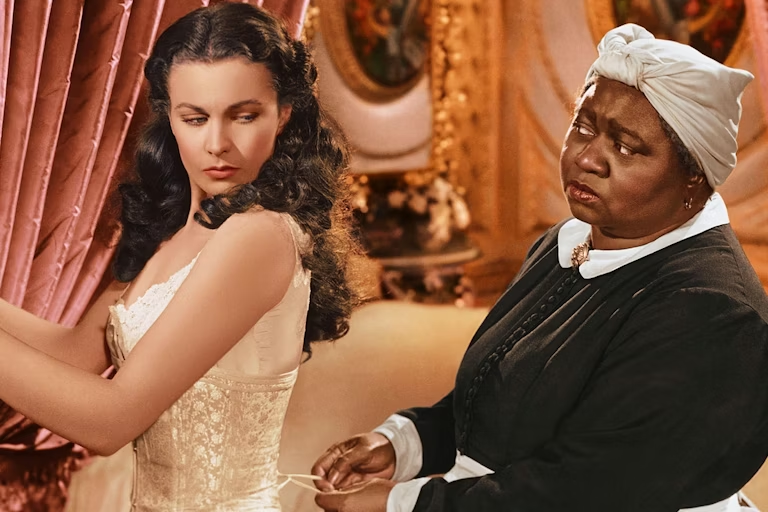
Another problematic stereotype is the presence of the “Mammy” character. This trope typically depicts Black women as overweight, loud but loyal, and almost always enslaved. The “Mammy” is happily selfless and typically the asexual matron of the household.
Cliches like these even trickle into reality through social media. Jenkins explains a common message she finds on TikTok, “‘Oh, if you’re ever lost, go find a Black woman.’ Why would you just go to a random person? Stranger danger?”
Jenkins notes that the two most common expectations of Black people commonly portrayed in media are either that they’re dangerous or are the person to coddle you.
Jenkins concludes her critiques by expressing her distaste for certain language surrounding Black people. She clarifies, saying Black people are painted in a mature way. When referencing a child, many will choose to say “young man or woman” instead of simply referring to them as a child, boy or girl.
“I feel like there’s always an imbalance of emotional empathy towards, especially, Black children in real life, and that needs to stop,” she said.
Correcting these imbalances requires a shift in the way these stories are told. Black History Month brings out some of the best and worst cases of portrayal of Black stories in the media. Some continue to resort to stereotypes and harmful tropes, others depict people of color in a healthy and realistic light.
Ultimately, the “Black Renaissance” some UNR students call for, does not aim to erase the heavy history dramas typically center on, but rather blend the complicated moments with the ongoing of everyday life.
Black media is at its best when it is multifaceted, so whether you dive into a classic rom-com or discover a new indie artist, this month offers the perfect starting point to explore the full spectrum of the Black experience.
