
The University of Nevada, Reno’s recent-ish buildings have lost their charm and, for lack of a better term, aura. This sentiment is not exactly uncommon either, there’s a reason everyone takes their graduation photos in the quad and not in front of the Knowledge Center. Sure, it could be the lack of mature trees in the northern portions of campus and everything will be different in 40 years, but I argue that UNR’s aesthetic problem is much deeper than that.
UNR’s campus can quite literally serve as a time machine to the school’s past. From the ornate brick buildings of the late 19th century to their modernized counterparts that have sprung up over the last two decades, UNR has certainly experienced its fair share of stylistic changes over the years.
Moving from North to South about Nevada’s flagship University serves as an almost chronological timeline of the massive expansion UNR has undergone since it first planted its flag in Reno 140 years ago. Spanning from the brand new, yet to open, Nevada State Public Health Laboratory, to the historic Morrill Hall, one can view the campus at different points in its history. The only problem, UNR has gotten uglier since its earliest days.
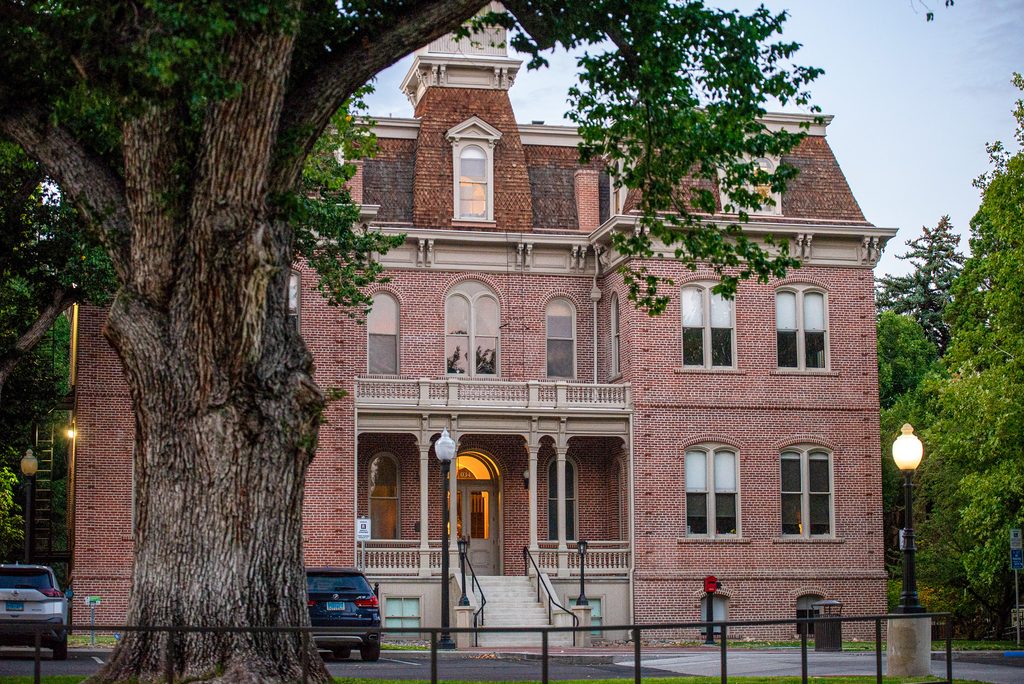
UNR’s newer construction misses the mark in a few areas, lacking a diversity of brick, featuring repetitive, boring roofings, and completely abandoning the use of wood when building and decorating campus.
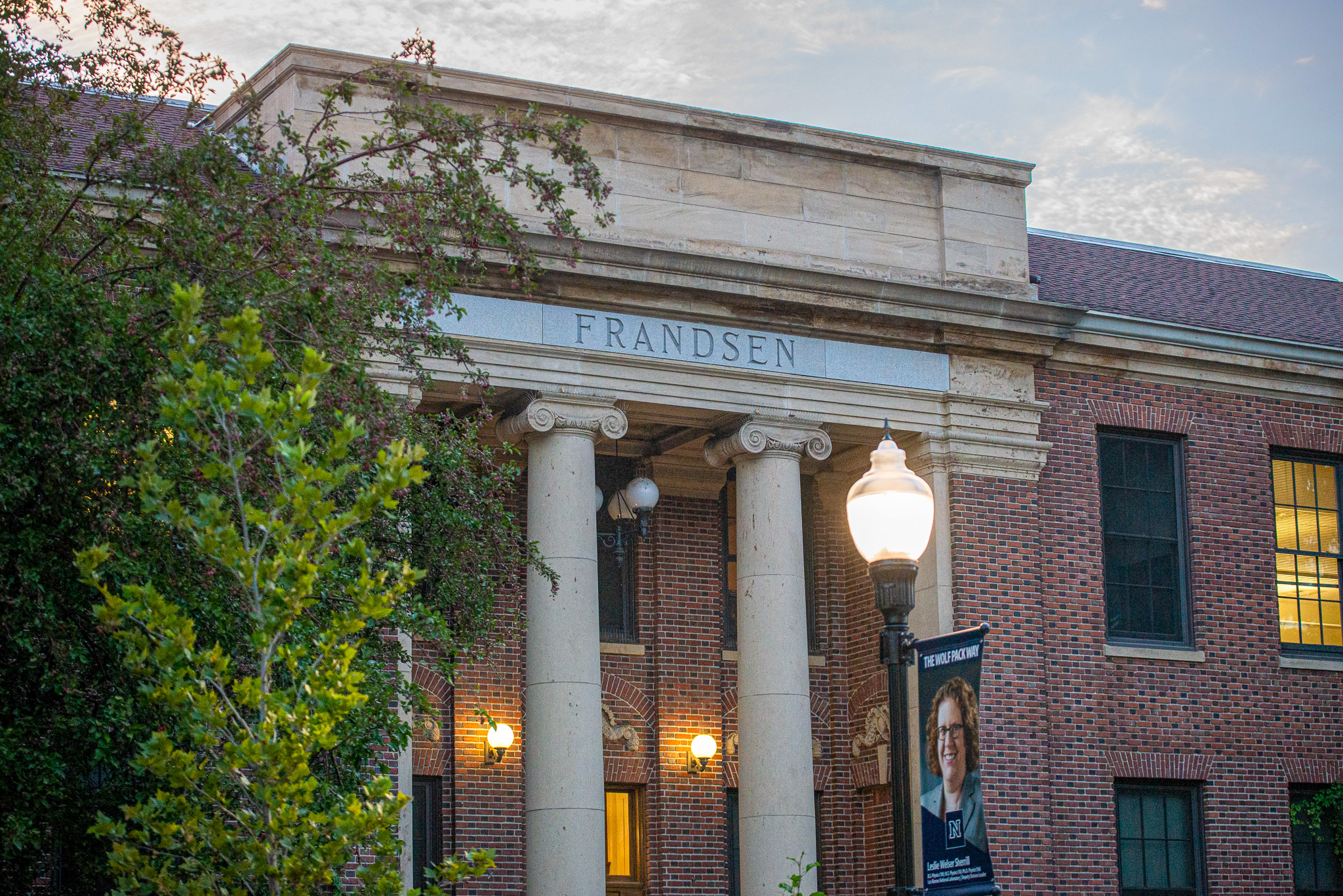
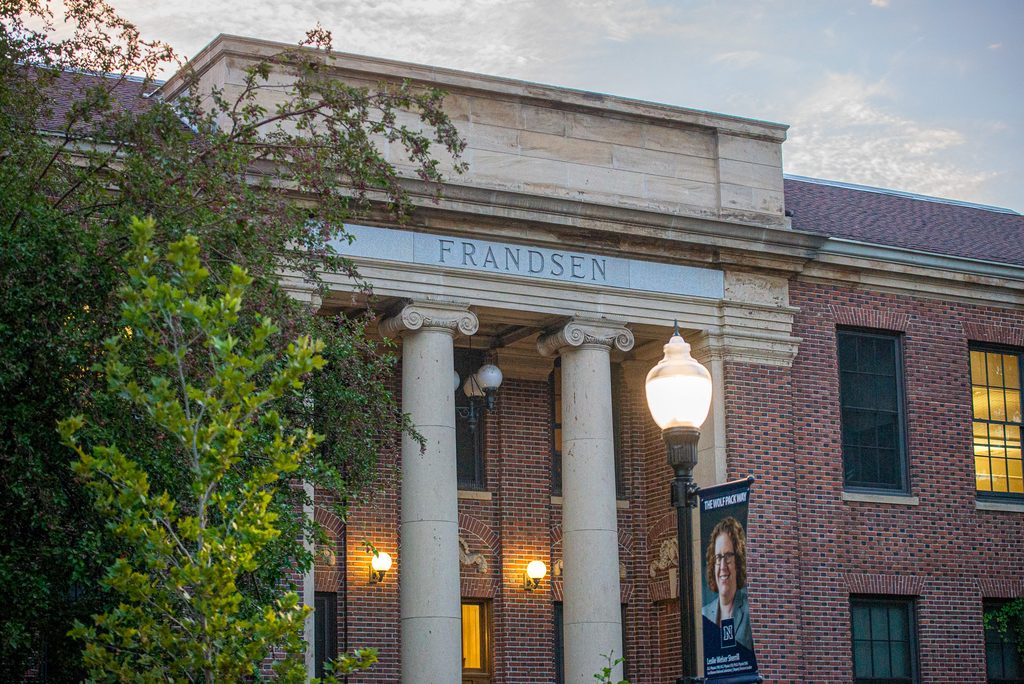
When you walk past the Mackay Mines building, its features strike you, the ionic-style columns and large ornate wooden door give the building one of the most enjoyable appearances on the UNR campus, something that is common among the older structures. From the wooden porch and weather vane that rests atop Lincoln Hall to the vines running up the side of Frandsen Humanities and Clark Administration.
And all of this is not to say that UNR’s newer buildings are downright ugly, have you seen the John Tulloch Business Building? It’s striking and dramatic in all of the best ways as it looms over passersbies on Interstate-80. Though I believe that the brand-new building lacks charm, a certain charm that is so prominent in the oldest areas of campus.
So what can this downgrade in aesthetic be attributed to?
Well there are two main factors contributing to this — at least in my view. The first, Nevada has been increasingly built for cars instead of people, which has in turn lent itself to an infrastructure dominated by wide, unappealing roads. The oldest parts of our campus were built over 100 years ago, years before a culture centered around automobiles took center-stage in American society. Consequently, the campus construction back then was geared toward the pedestrian visitor. Spaces such as the Quad and Manzanita lake are prime examples of this walkable layout.
Here, walking paths, not roads, lead directly to buildings. This allows a much more concise space that does not have to account for all of the room that vehicles take up via parking lots and sidewalks. This also allows for plant-life to be grown directly on and beside the walkways, whereas in a car-centric street, these bushes and trees would have to be placed further back. And of course, mature trees and bushes certainly add to the appeal of these areas of campus.
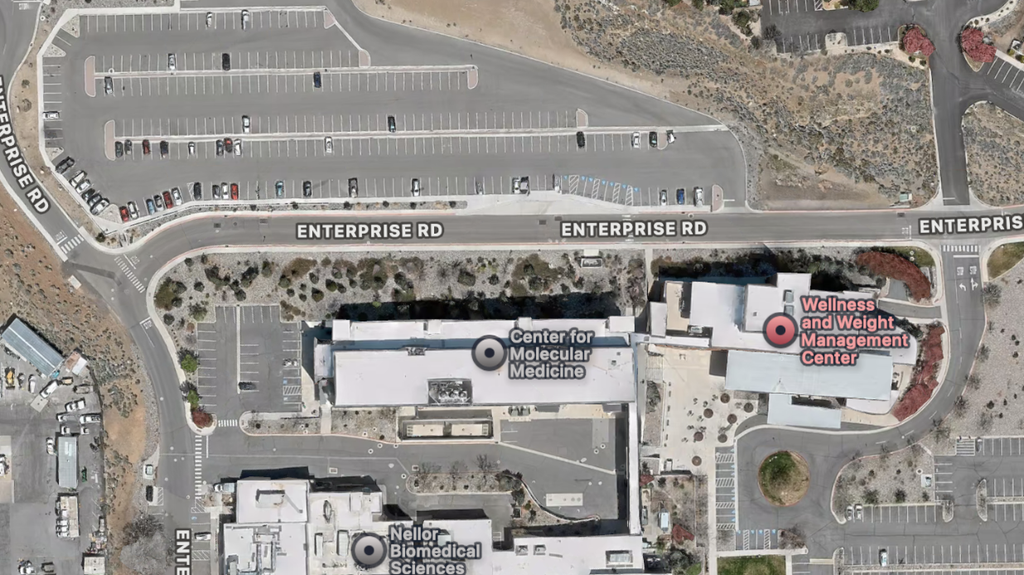
This is in stark contrast to the northern-most parts of campus, featuring buildings that are surrounded by streets and parking spaces from all directions, offering only a sidewalk for the pedestrian visitor. Take the Center for Molecular Medicine building for example, while it is an extremely advanced building that certainly looks the part of a newer academic research center, it is surrounded by two-lane streets built for cars and it is really only accessible to those who travel by vehicle.
The second reason behind UNR’s decline in style is the shift away from stone as a secondary material, something that easily compliments the brick that dominates the majority of campus buildings.
Now this is something that is not unique to just UNR, we see it all over the place. Take downtown Reno for example, the oldest buildings there are built from brick or stone, such as the Reno National Bank (which sits just across the street from the Cal-Neva Casino), whereas the newer buildings are mostly made up of metal and concrete, i.e. the Nevada Museum of Art.
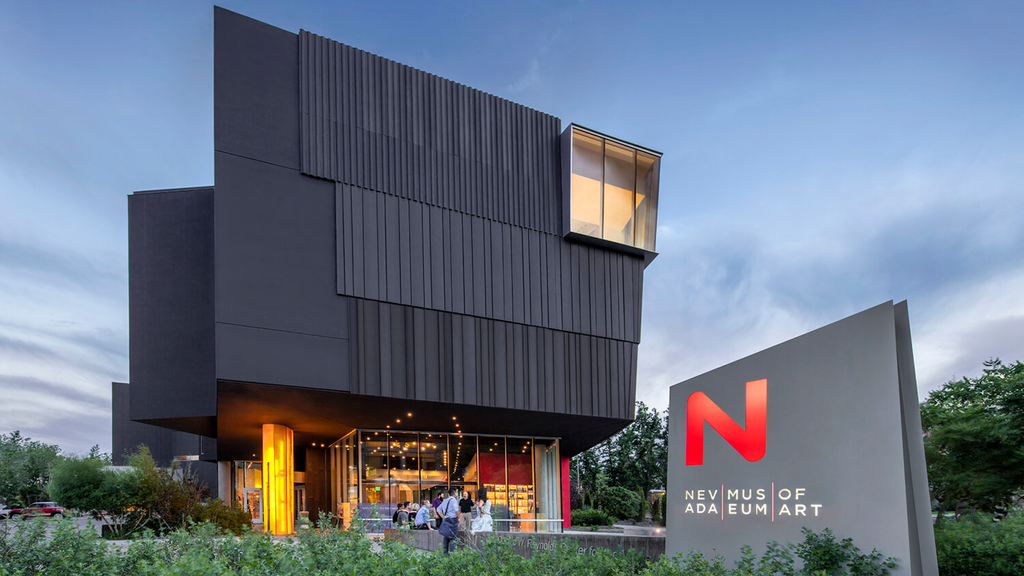
This exact same trend is noticeable at UNR as well, with newer buildings boasting much more metal, concrete and glass than older buildings. And while I do acknowledge in some ways this is just a sign of the times and that different styles of architecture are possible, I cannot help but feel that these new buildings seem to lack the character that the older ones are so rich with.
I also notably omit any mention of the 1980s brutalist-esque buildings on campus because they are so different from any other style that it would be comparing apples to oranges, in my non-expert opinion.
So while UNR may still claim the title of the most beautiful campus in Nevada (sorry UNLV), they should work to preserve and continue the old-school charm that gave them that distinction in the first place.