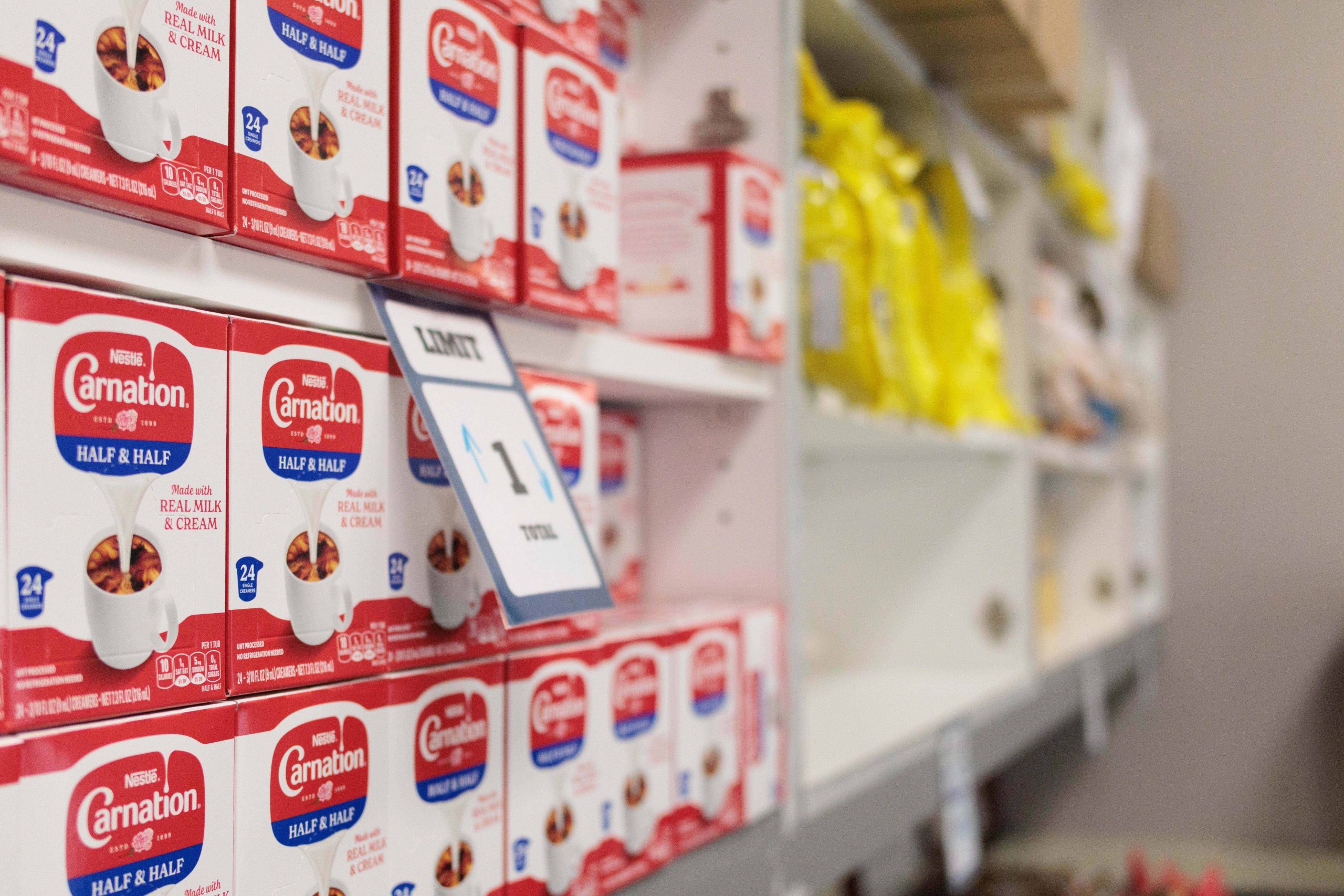

33% of students at the University of Nevada, Reno identified as food insecure for at least six months on a survey conducted in Spring 2024, and visits to the on-campus food pantry Pack Provisions have quadrupled since 2021.
Amy Koeckes, Senior Associate Director for the Center of Student Engagement, said this survey has been conducted annually since 2016 and reaches out to 2000 students. It looks at both undergraduate and graduate students, and aims to encompass the entire demographic of the University.
Pack Provisions, ASUN’s on-campus food pantry for UNR students, aims to supplement students’ meals while removing the stigma that comes with receiving food from a food pantry. Koeckes shared with The Nevada Sagebrush that in 2020-2021, Pack Provisions had 3,299 visits. That number has since increased to 13,927 during the 2024-2025 school year.
Koeckes attributes the climbing numbers to increased awareness about the program, as Pack Provisions has done more outreach during new student orientations, through the civic engagement survey and by fundraising in the community. However, she also believes other economic factors may contribute to the rising visit numbers.
“Things such as rent and increase in living [costs], all of those things can lead to people looking for more resources to help them,” she said.
With grocery prices going up by 29% since 2020 and the average public university student borrowing $31,960 for a bachelor’s degree, resources like Pack Provisions have become essential.
Despite the number of students that struggle with getting food on their table, the stigma surrounding receiving assistance often prevents people from discussing the problem or even accessing services that would address the issues they face.
Koeckes said, “There is a lot of stigma on food insecurity. So, we are trying to make the experience as best as we can. We don’t try to ask a lot of questions because we want to support people as quickly as we can and get what they need.”
One way that Pack Provisions has tried to make their pantry more accessible is by having students themselves run the program.
“We have a model of students helping students, which I think is really helpful,” Koeckes said. “I think that peer-to-peer help can be very empowering for everybody.”
However, Pack Provisions also tries to direct students to better-equipped resources, such as the Catholic Charities of Northern Nevada that provide hot meals. “There’s no way, with what the space that we have and the capability, that we can be the main source. That’s why we try to share other resources on campus and off campus, mostly off campus,” Koeckes said.
Further outreach involves getting SNAP representatives from the Food Bank of Northern Nevada to help students fill out SNAP forms and submit them.
Although Koeckes said the initiative has lost momentum with staff shortages at the Food Bank of Northern Nevada, Pack Provisions still directs students who frequent the University’s food pantry to local resources.
With food insecurity increasing on campus, Pack Provisions itself could not handle the demand. In the spring 2025 semester, ASUN created a special committee on food insecurity with its current chair, Alexander Saporito, leading the charge.
Saporito said he is focused on a specific long-term goal: “With the number and the demand, [Pack Provisions] would need a new building,” he further expanded, “It’s really hard to find a way to raise $15 million. I want to try that, but it would probably take like eight years.”
Meal swipe drives are another method the committee uses to fight on-campus food insecurity. In partnership with Nevada Dining, ASUN asks for swipe donations from students who may have a surplus.
Many students on cheaper meal plans often struggle, as they get limited meal swipes, with the lowest tier, “White,” getting 10 swipes per week.
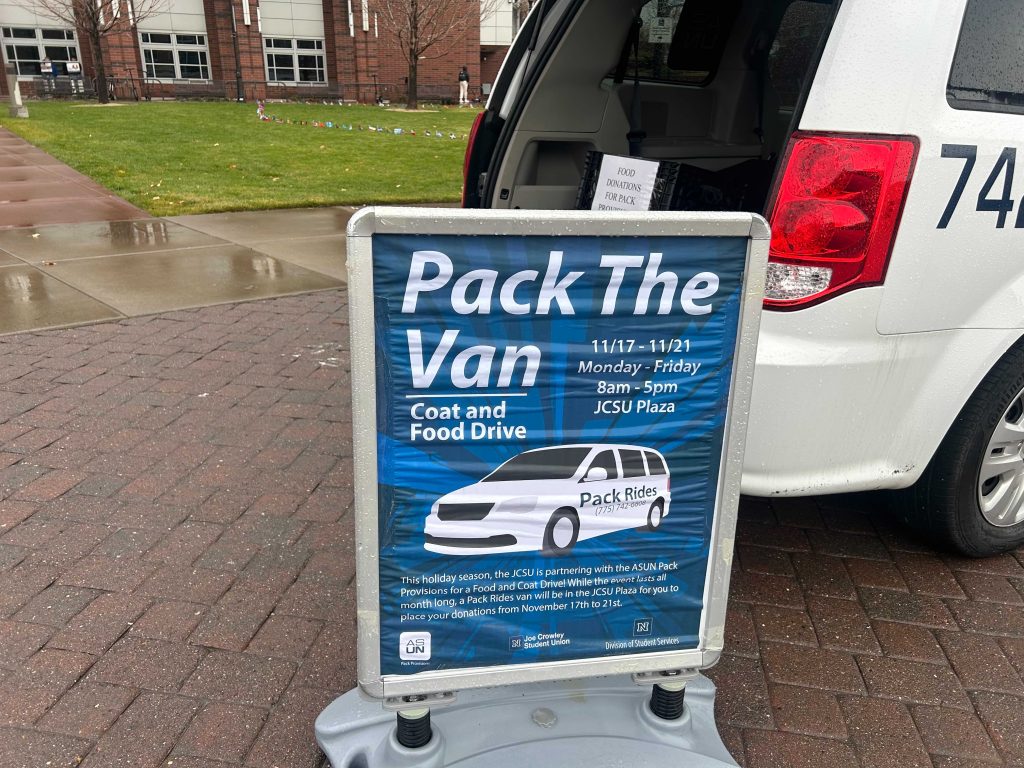
Knowing someone who is on the “White” meal plan, Saporito said, “I’ve heard his personal stories, and it’s rough. He has to literally calculate every week how much he wants to eat and he runs out by Thursday or Friday.”
Saporito says the swipe drive will also help those without a meal plan; the committee hopes to distribute the swipes in the winter.
The drive garnered 618 swipe donations, surpassing the initial goal of 100 meal swipes, according to Saporito.
Saporito said he also has other initiatives in mind, such as a plan to host monthly farmers’ markets for students and reaching out to local legislators for support.
Saporito said, “It affects everyone. It obviously affects the people who are vulnerable to food security. But it not only affects them, it affects their families, their environment, their workplace. It’s one of the biggest, wicked issues we have. As long as we keep fighting for food security, then we’re going to make a better place for everyone at the end of the day.”