
In Filipino culture, ball is life.
It lives in crowded backyards, neighborhood courts, television screens and family parties. But for many Filipino American athletes, loving the game has not always meant feeling like they belong in it.
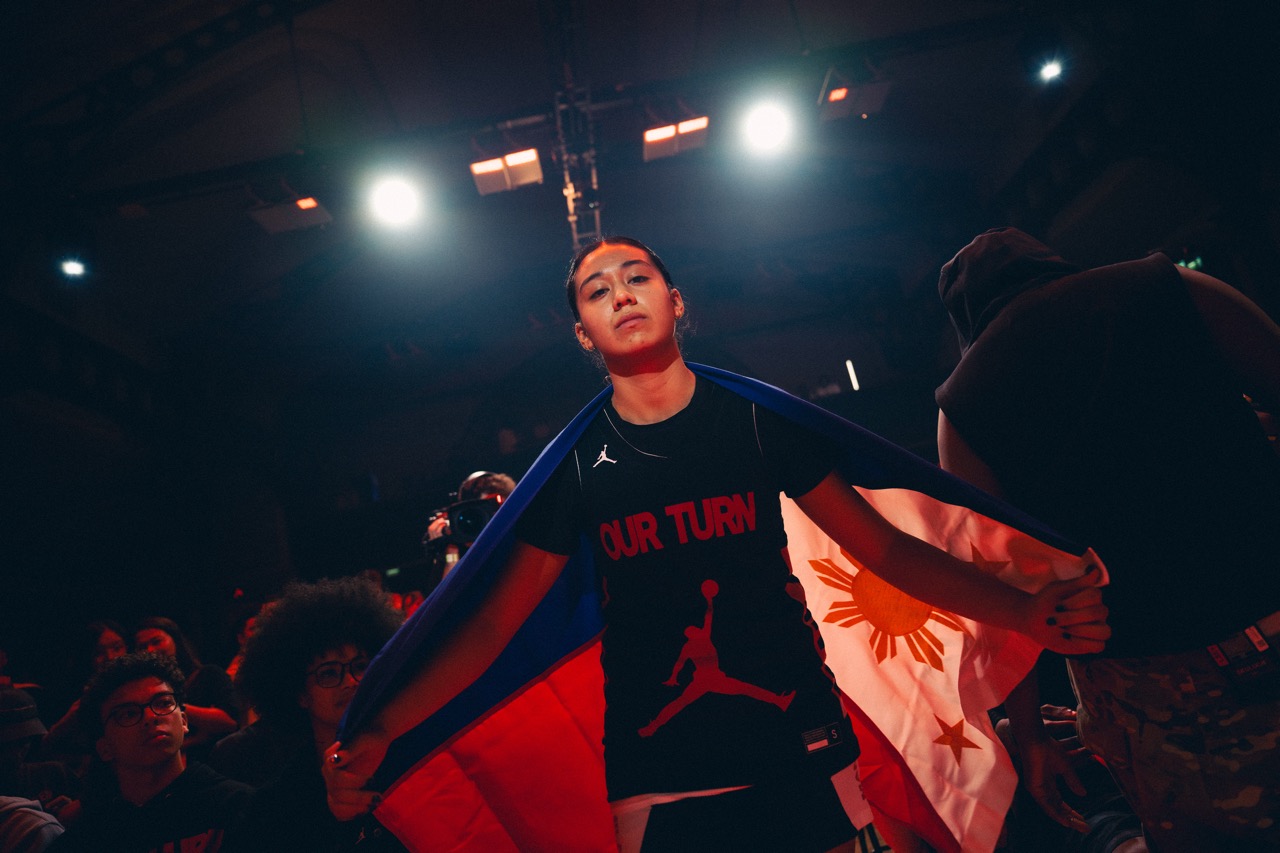
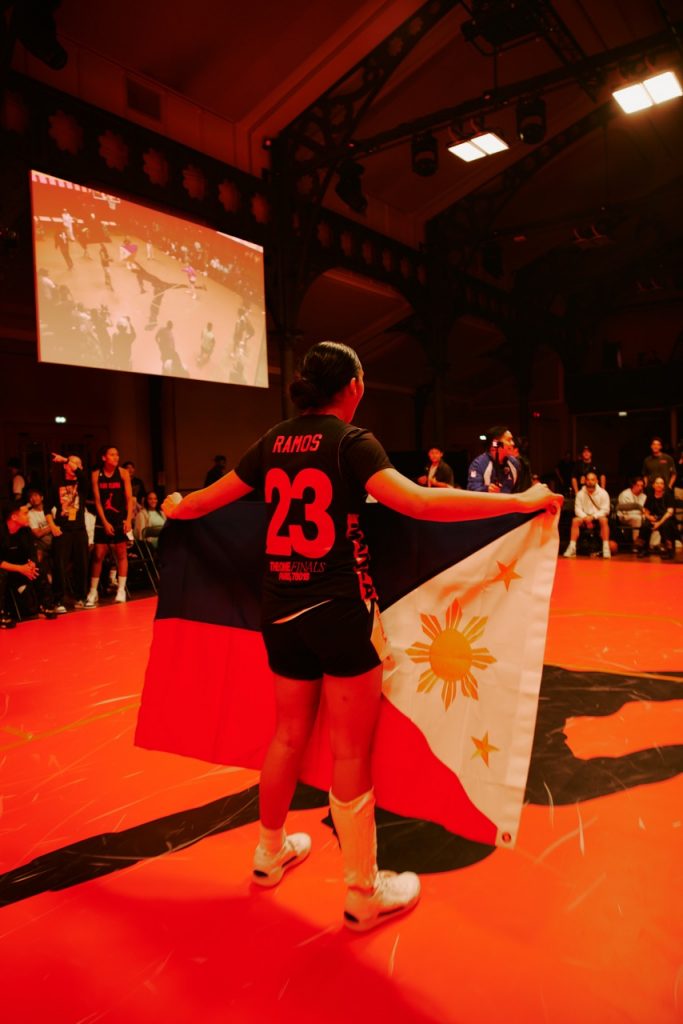
Before stepping on the court, Gabby Ramos was already being ruled out. As a Division 1 (D1) athlete for Nevada women’s basketball, there was pressure — not just to perform at a D1 level, but pressure to represent a community overlooked in basketball spaces.
“Nobody thought anything of Jeremy Lin until he proved that he belongs where he was,” Ramos said. “We are all starting a mile before the start line because of the way we look.”
Though basketball has become a cornerstone of Filipino culture, Asian American athletes continue navigating stereotypes surrounding athleticism, identity and leadership. Expectations praised in classrooms, obedience and academic excellence can follow athletes onto the court, influencing their game.
For players like Ramos and Myles Walker, a freshman on the Nevada men’s basketball team, it goes beyond performance. It is a question of belonging, visibility and proving that Filipino American athletes deserve space in a sport they remain unnoticed in.
Basketball was Always Part of the Culture
The Philippines remains one of the largest basketball markets in the world. NBA data shows Filipino fans generating more than 618 million views on their YouTube channel in 2023.
According to surveys conducted across Asia by Rakuten, roughly three-quarters of Filipinos identify as basketball fans, making it the country’s most popular sport regardless of gender. The popularity persists despite the Philippines having one of the shortest average male populations globally, shown in a graphic by Visual Capitalist on Voronoi.
However, that cultural love for the game does not always translate into belonging on the court in the United States. Ramos said she often felt underestimated before the game started because of how she looked. Walker, who described basketball culture as “very big” in his family, said many athletes that look like him still feel disregarded because of their size and background.
Dr. Claire Reclosado-Baclay, a Filipina American sports psychologist based in the Bay Area, said those stereotypes can shape how Asian American athletes see themselves and how others perceive them.
“There’s that nagging feeling of not being taken seriously, that we are not seen as athletes,” Reclosado-Baclay said.
Starting Behind the Line
Even in a culture where basketball is treated almost as religion, Filipino American athletes find themselves balancing pride with the pressure to constantly prove they belong. Stepping onto the court often comes with assumptions regarding size, athleticism, IQ and identity even before tipoff.
Research published in The Orthopedic Journal of Sports Medicine in 2025 found Asian Americans make up about 7.2 percent of the U.S. population but account for less than 1 percent of NBA rosters. A separate 2025 study published in the International Journal For Multidisciplinary Research argued stereotypes surrounding the “model minority” frame Asian American athletes as no threat while lacking athletic ability.
“When they think of Asians and Filipinos, the stereotypical way folks look at Filipinos, it doesn’t fit what a basketball player is supposed to look like,” Reclosado-Baclay said.
Those assumptions are familiar to Ramos.
“When I was a kid, I was very scrawny,” Ramos said. “Nobody viewed me as a threat when I would walk into the gym.”
Walker, who stands at 5-foot-10, said the same preconceived notions became noticeable to him during recruiting. Despite breaking out as one of California’s top point guards in high school, several programs overlooked him because of his size.
“Even my high school career, my junior and senior year, I was one of the best point guards in California, but a lot of schools didn’t offer me because of my size,” Walker said.
In men’s college basketball, height has been tied to recruiting expectations. Data from the National Collegiate Athletic Association (NCAA) analyzed national championship rosters and found the average height of D1 guards to be around 6-foot-3, several inches taller than Walker.
Many Filipino athletes learn they must separate themselves through creativity and skill development as they are often physically underestimated from the start.
“A lot of Filipinos are smaller, so they have to find a way to stand out on the court,” Walker said.
The stereotypes exceeded physical appearance. For many Asian American athletes, academics and the “model minority” mindset added onto their list of expectations off the court. Filipino households often emphasize academics just as heavily as athletics.
Ramos viewed academics and athletics through the same competitive lens growing up.
“Getting an A, that’s winning,” Ramos said. “Getting a B or anything lower than that, you’re losing.”
Filipino American athletes grow up expected to excel academically while simultaneously performing at a high level athletically.
“There is this dynamic of ‘you gotta get really, really good grades, but I also want you to be the best athlete out there,’” Reclosado-Baclay said. “There’s a lot of burnout at a young age.”
Reclosado-Baclay added that stereotypes surrounding Asian American athletes can also influence how coaches and recruiters evaluate talent, particularly when athletes do not fit traditional expectations tied to basketball culture.
“A lot of times the leader is not a person of color, or if they are a person of color, not Asian,” Reclosado-Baclay said. “They will be overlooked purely because of bias. It has nothing to do with their talent.”
Filipino American athletes face a constant mental struggle feeling underestimated, shaping their confidence and mentality while playing.
The Weight of Representation
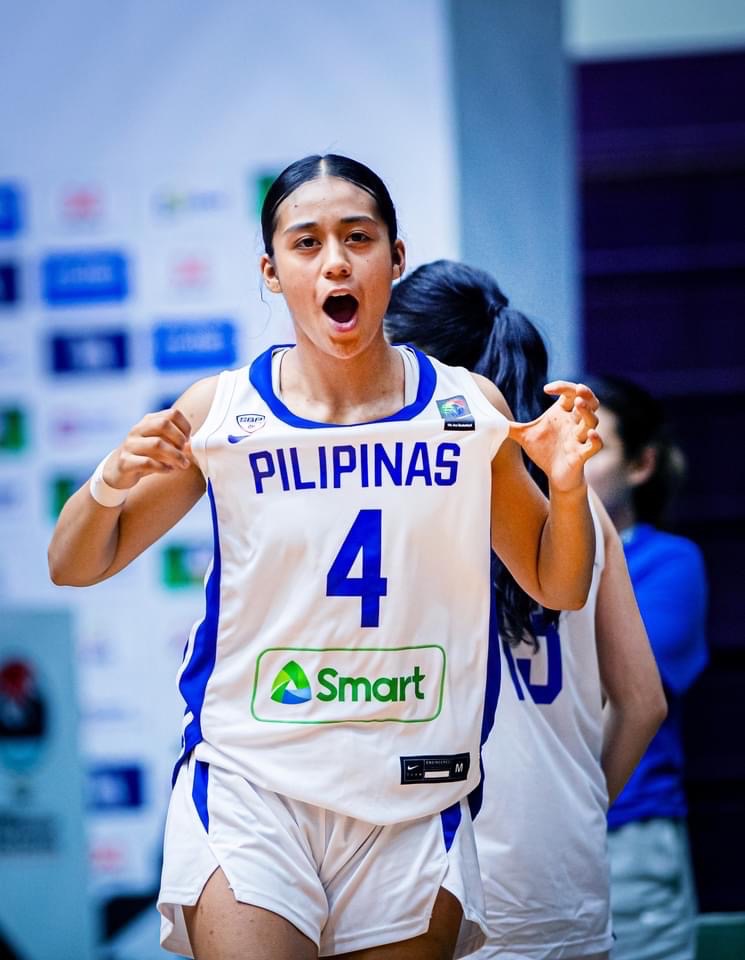
Sports psychologists in the Journal of Personality and Social Psychology refer to this phenomenon as “stereotype threat,” a psychological response where individuals fear proving negative stereotypes tied to their identity. It can increase anxiety and self-doubt in performance-based environments, especially when athletes already feel underrepresented within their sport.
That burden intensified for Ramos during her freshman season at Nevada.
“I put a lot of pressure on myself…because if I didn’t, … I would lose everything I had worked so hard to gain,” Ramos said.
Her fear of failure eventually began affecting her mindset when approaching games.
“By putting that pressure on myself, I did myself a disservice because it really impacted the way I played,” Ramos said. “It made me overthink.”
Those responses are common among athletes juggling cultural expectations alongside athletic performance.
“Sometimes they’re distracted or they’re just not fully present because there’s so many other pressures that are there,” Reclosado-Baclay said.
Asian American athletes also struggle with internalizing criticism when perfectionism and high achievement are stressed from a young age. This can become heavier in environments where athletes rarely see others who look like them.
“When they are on a team and they’re the only ones, it could be kind of lonely,” Reclosado-Baclay said.
Researchers in the International Journal For Multidisciplinary Research have linked isolation and underrepresentation in sports spaces to lower confidence, increased stress and questions regarding connection among minority athletes.
Studies on athlete mental health have also found that fear of judgment and cultural stigma surrounding emotional vulnerability can prevent athletes from seeking support early.
“In the Filipino community, the Asian community, taking care of mental wellness is not always the top priority,” Reclosado-Baclay said.
It has now become a game of managing the emotional weight of representation while trying to play the game freely — whether or not they truly feel accepted within the sport.
Who Gets to Belong?
The weight eventually turns to athletes questioning their acceptance within basketball spaces where they are often criticized and overlooked from the beginning.
Visibility plays a major role in how athletes develop confidence and identity within sports environments.
“It’s harder when you don’t see people that look like you,” Reclosado-Baclay said. “It sends messages like, ‘Do I belong here? Am I able to do this?’”
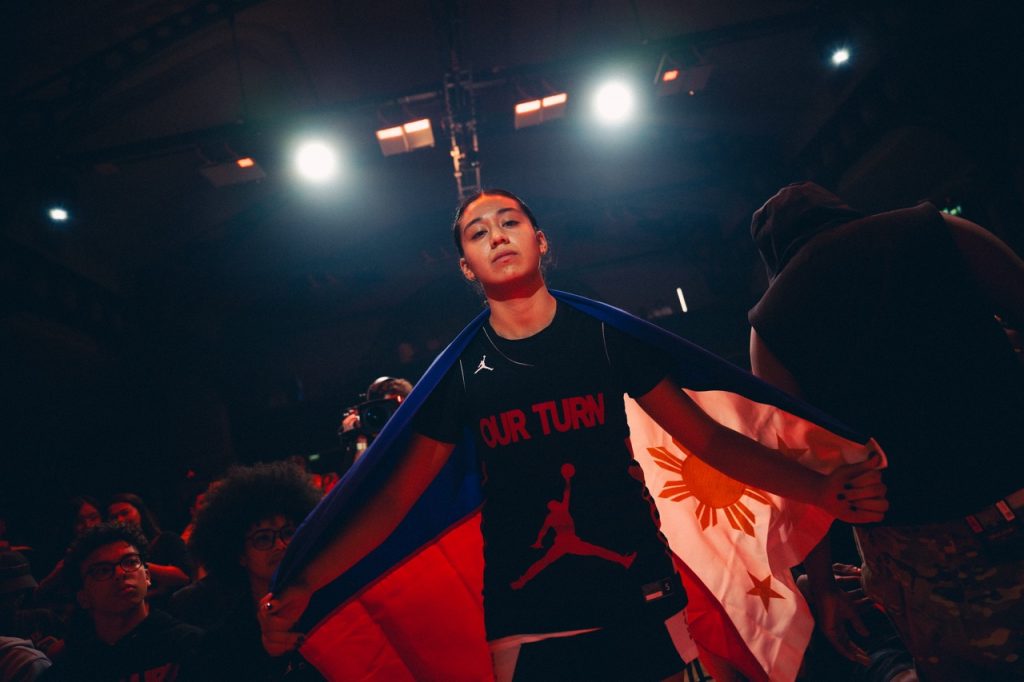
Representation carries an emotional responsibility larger than basketball itself. As Ramos competed internationally for the Gilas Pilipinas Under-18 women’s national team, the experience deepened her ties to her Filipino identity while also exposing struggles surrounding cultural authenticity within marginalized communities.
“There’s an added pressure because a community so small and so underrepresented… needs a greater voice,” Ramos said.
It can feel both empowering and emotionally demanding when athletes feel responsible for how an entire community is perceived within the sport.
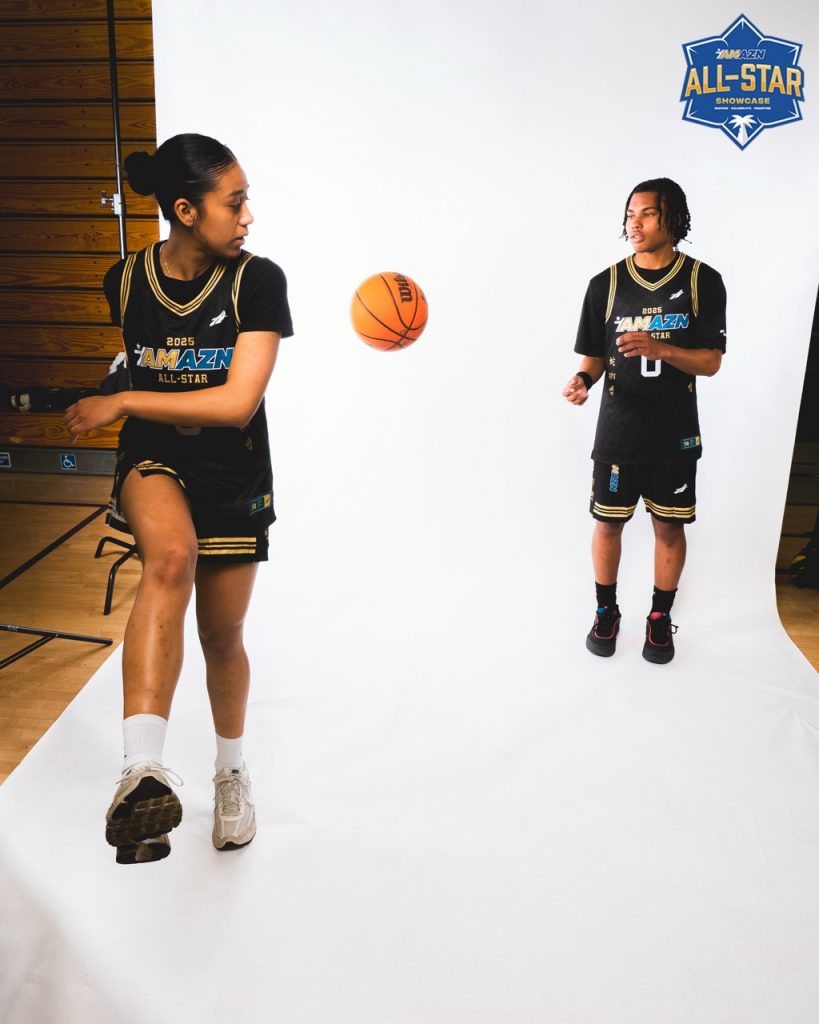
Spaces centered around Filipino and Asian American basketball culture can reinforce a sense of community. Walker recently participated with Ramos in the AMAZN HQ Asian All-Star game, an event highlighting Asian American D1 basketball commits.
Walker said representation matters because many Filipino athletes grow up without seeing people who look like them at higher levels of the sport.
“If they see me do it and I’m from the same background as them, it puts belief in them,” Walker said.
Growing up, Walker said there were few Filipino athletes he could point to as proof of success in D1 basketball. For him, that visibility was more than individual accolades — it became a way to challenge stereotypes surrounding who is expected to make it big in basketball.
“Filipinos could hoop too,” Walker said.
Increasing representation alone is not enough. The larger challenge is creating environments where Filipino American athletes feel comfortable embracing their identity without being pressured to minimize parts of themselves to fit basketball culture.
Beyond Representation
Changing the experience for Filipino and Asian American athletes begins with recognizing that performance is not only physical but also mental.
“To have athletics and your physical health be such a top priority and not address your mental wellness in the same way — that is hurting your game,” Reclosado-Baclay said.
Mental health experts say culturally informed support systems and open conversations about identity can help athletes navigate pressures tied to performance and belonging.
Reclosado-Baclay said many athletes grow up internalizing stereotypes and expectations without having spaces to openly discuss the emotional distress it creates. Athletes should feel encouraged to seek support both professionally and culturally instead of facing those difficulties alone.
“If there are those resources, use them,” Reclosado-Baclay said. “But also, be in touch with that community.”
Reclosado-Baclay pointed to organizations like the Association for Applied Sport Psychology and Filipino-focused mental health affinity groups as examples of spaces where athletes can connect with culturally-informed providers, psychologists and performance coaches.
“If it’s identity that we’re having a tough time with, then find the community that can support you in your identity,” Reclosado-Baclay said.
Ramos said athletes should not feel like they have to shrink parts of their identity to fit basketball culture.
“You try to fit into these predetermined boxes that everybody has, instead of creating your own box and representing whatever culture that it is,” Ramos said.
For her, representation means embracing her identity fully, even in spaces where Filipino American athletes are often ignored and undermined.
“I couldn’t change my culture or where I come from any more than I could change the color of my skin,” Ramos said. “It’s important to represent not only when it is convenient, when culture is celebrated, but to truly embody your heritage no matter what room you’re in.”
For generations, Filipino culture has embraced basketball as part of its identity. Yet, Filipino American athletes still walk into gyms where they are underestimated and judged by stereotypes surrounding what basketball players are supposed to look like, play like or become.
The question is no longer whether the love of basketball is enough for Filipino Americans to step through stereotypes, but why so many still have to prove they belong in it.